Last updated November 21, 2026
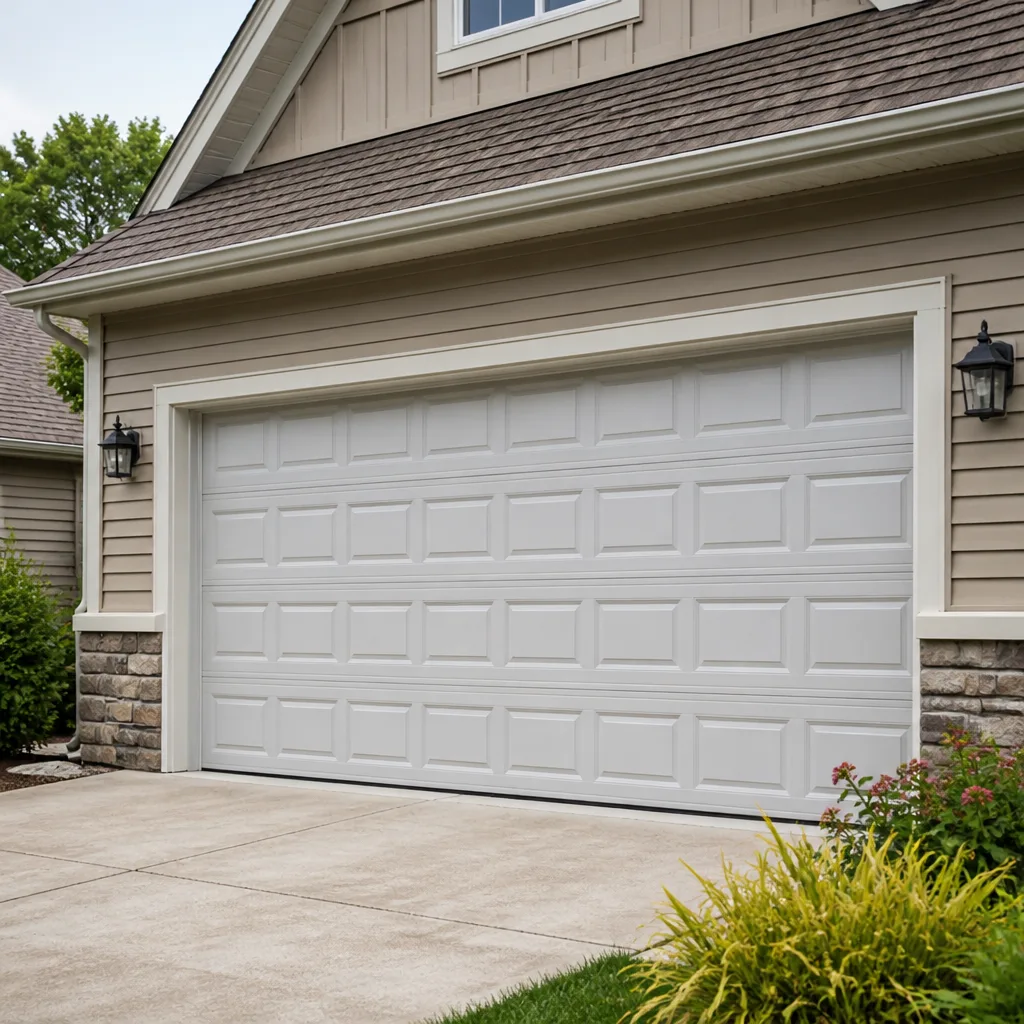 Raised-panel steel
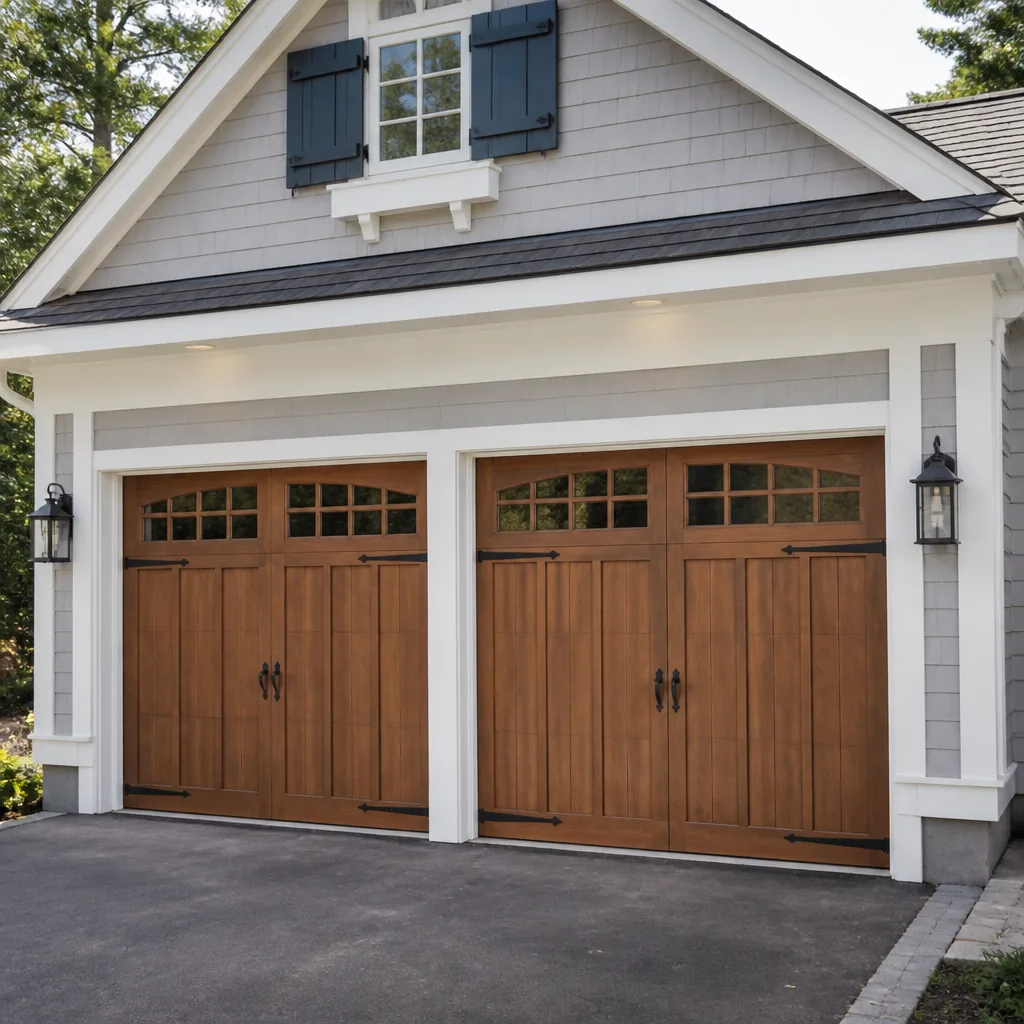 Carriage house
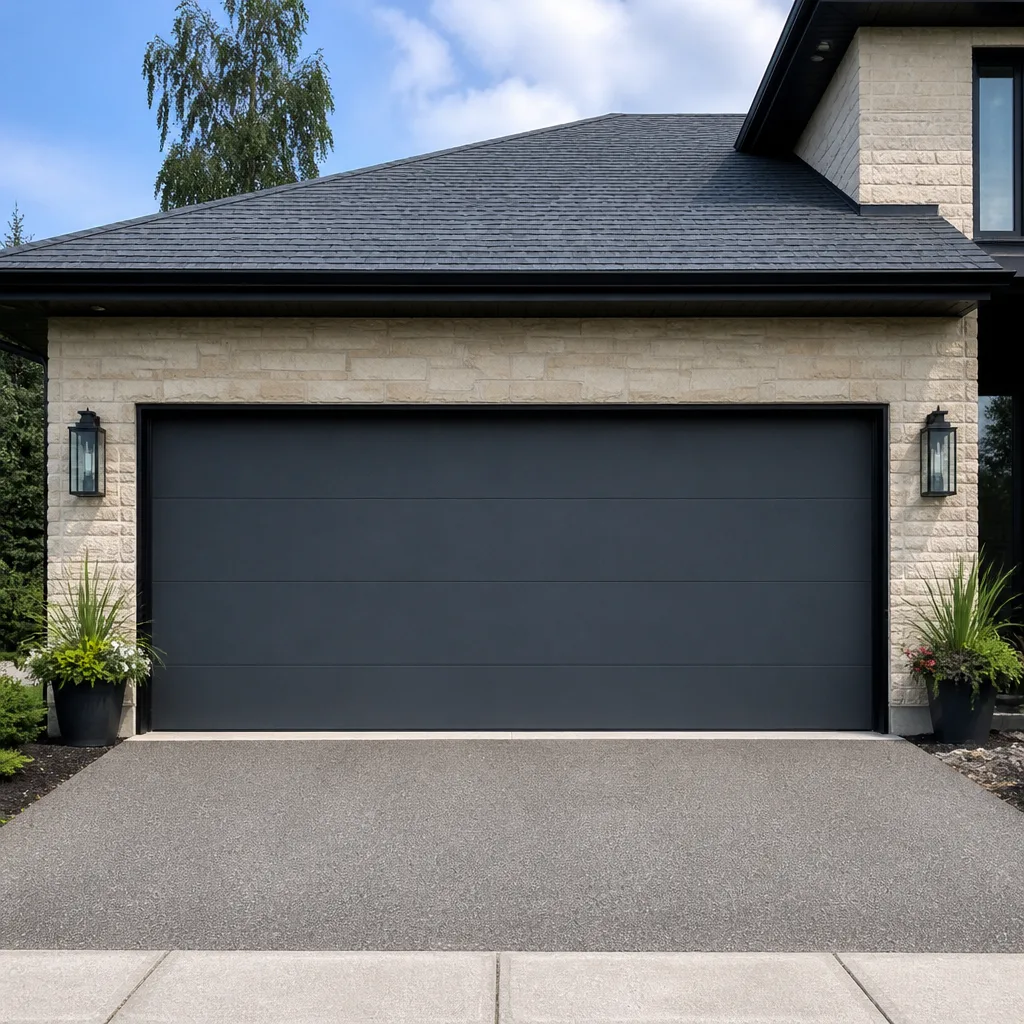 Modern flush
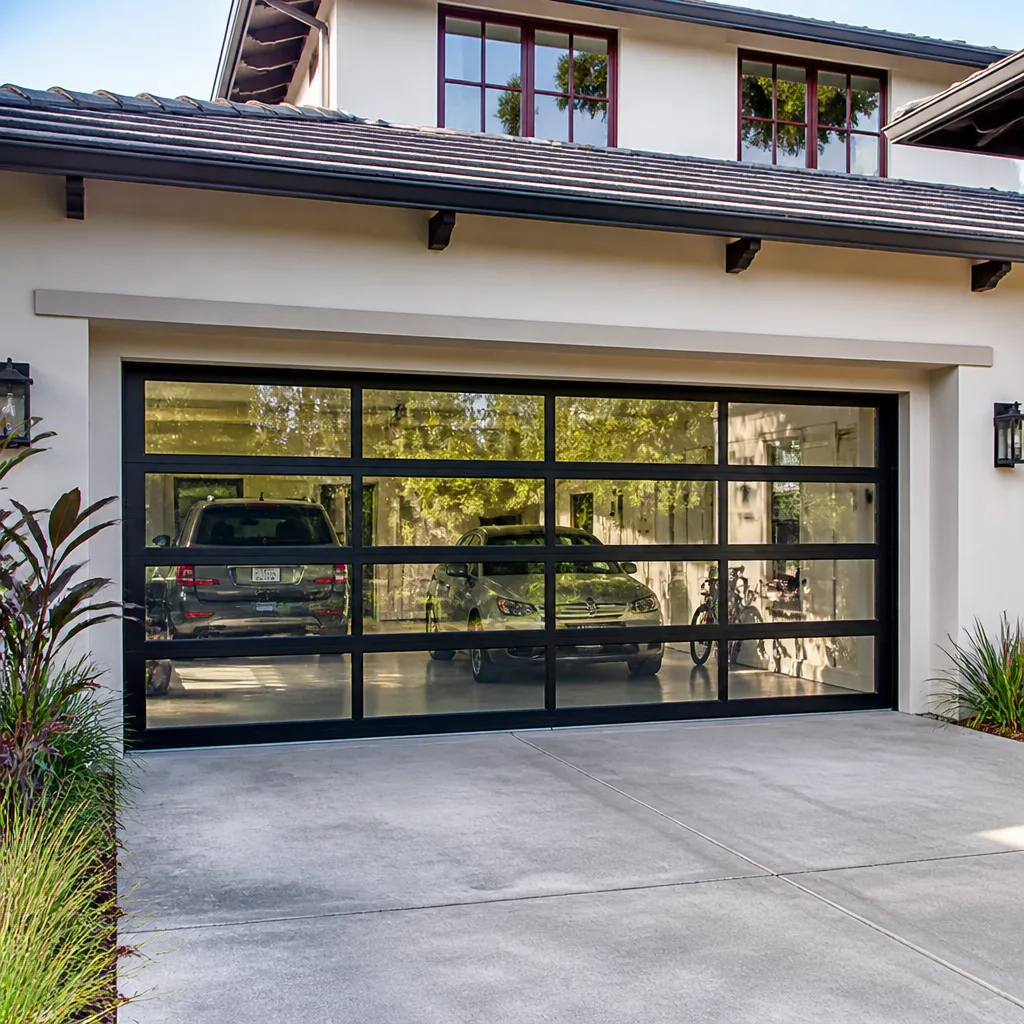 Full-view glass
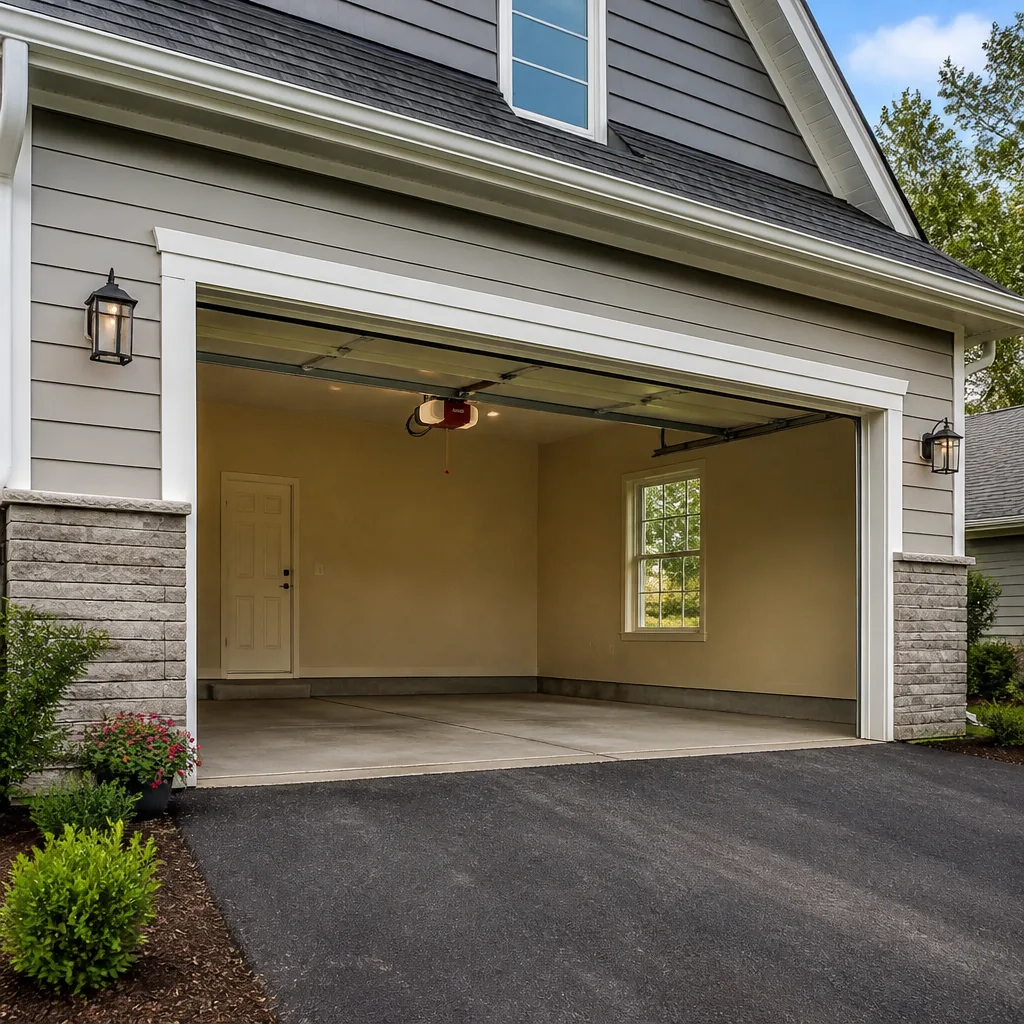 LiftMaster openers
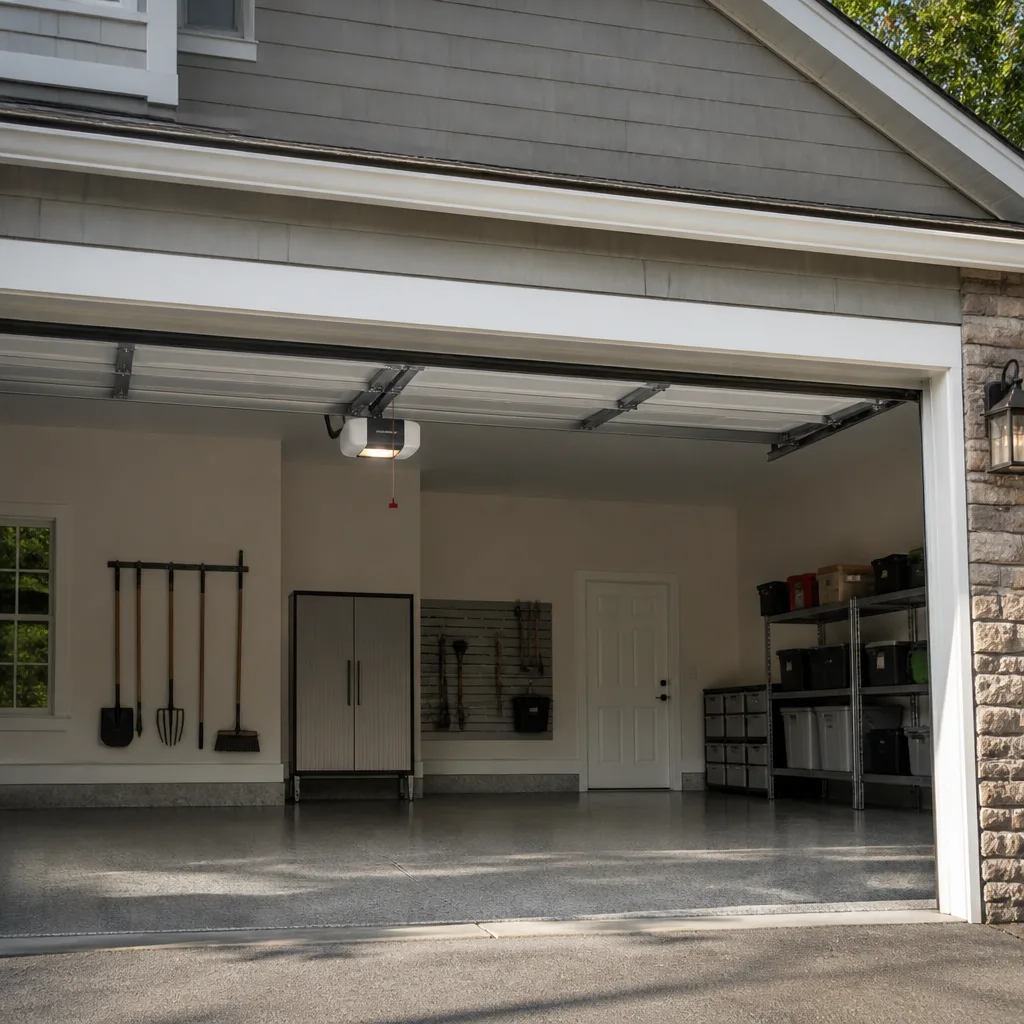 Chamberlain openers
Full 25-point door and opener safety check with every visit - springs, cables, rollers, tracks, and your LiftMaster or Chamberlain opener included
You get a price before we start. It does not change when the pro arrives.
Get your free estimateGarage Door Repair Maintenance Checklist for Highbridge Homeowners
The number-one reason garage doors fail before their time isn’t age or heavy use. It’s one missed lubrication point on the torsion spring system that turns a small maintenance habit into a much bigger repair call. Springs, hinges, and rollers wear quietly for months before anything sounds wrong. Skip a few oil points and the wear accelerates. When a spring finally lets go, it usually happens without warning and often takes the opener along with it. The fix is simple: a routine you actually keep. This guide maps every inspection task to the specific part that breaks when you skip it, so you understand why each step matters, not just what to do. It’s written for Highbridge homeowners who’d rather maintain a working door than replace a broken one.
Quick Answer
A garage door maintenance checklist in Highbridge should cover monthly lubrication of springs, hinges, and rollers, seasonal balance and safety-reverse tests, and an annual full inspection of cables, tracks, and hardware. Most of this is safe for a homeowner to do. Spring, cable, and high-tension component work is not, and belongs with a trained technician. Documenting what you check and when gives any tech a head start if something starts to fail.
Styles & brands we work with
- Raised-panel steel
- Carriage house
- Modern flush
- Full-view glass
- LiftMaster openers
- Chamberlain openers
Table of Contents
- Why a Failure-Mapped Checklist Beats a Generic One
- What You Should Check Every Month
- Seasonal Checks for Highbridge Doors
- The Annual Full Inspection
- Lubrication: Which Product Goes Where
- What Homeowners Can Safely Do vs. What Needs a Technician
- How to Document Condition Over Time
- How Highbridge Weather Affects Garage Door Maintenance
Why a Failure-Mapped Checklist Beats a Generic One
Most maintenance checklists read like a chore wheel. Check the door, oil the hinges, look at the tracks. That’s fine as far as it goes. But a generic list doesn’t tell you what happens when you miss a step, and that’s the part that actually drives behavior. When you know that skipping the monthly spring check is what turns a small part failure into a much bigger job, you treat it differently.
Here’s the mental model we use on every service call. Every component on your door has a predictable failure mode. Springs fatigue. Rollers flat-spot. Cables fray. Hinges seize. Tracks bend. The checklist exists to catch each of these before the failure mode reaches the point where the door stops working. In Highbridge, where summer humidity and winter freeze-thaw swings are hard on hardware, catching wear early matters more than in a mild climate.
Think of maintenance in three tiers:
- Tier 1 (preventive): Lubrication, visual inspection, cleaning. Keeps wear slow. Homeowner-safe.
- Tier 2 (detective): Balance tests, safety-reverse tests, sound and movement monitoring. Catches problems while they’re still small. Homeowner-safe.
- Tier 3 (corrective): Spring, cable, opener, and hardware replacement. High-tension or high-cost work. Technician territory.
This guide covers all three tiers, with a clear line drawn between what’s safe for you to touch and what isn’t. That line matters, and we’ll come back to it. For the heavier repair and replacement categories, our Garage Door Repair Highbridge page is the place to start.
What You Should Check Every Month
Monthly checks are quick – about ten minutes – and they catch the majority of developing problems. Do them the same week every month so you build the habit. Here’s the sequence we recommend, in order, because it follows the door’s actual operation from open to close:
- Visual sweep of the torsion springs. Look at the springs above the door. Any gap or visible separation in the coil means the spring is failing. Do not touch them beyond a visual check. Note your observation and call a technician.
- Roller inspection. Look at each roller as it sits in the track. Steel rollers should spin freely. Nylon rollers should be smooth. Any wobble, flat spot, or grinding is a replacement signal.
- Hinge tension. With the door closed, check that no hinge is bent and that the mounting screws are snug. Loose hinge screws are one of the most common causes of metal-on-metal noise.
- Cable visual check. Cables run along the sides. Look, don’t touch. Any fraying, kinks, or visible wear means the cable is compromised and needs a technician.
- Track alignment. The door should sit centered between the tracks with even gaps on both sides. Uneven gaps mean the track has shifted.
- Weather seal check. Run a hand along the bottom seal. Cracks, brittleness, or gaps mean cold air and moisture are getting in. Gaskets on the channel are worth checking too.
Each of these catches a specific failure mode. Skip the roller check and a flat-spotted roller will start chewing up the track. Skip the hinge check and the door will rattle and eventually work screws loose. Skip the seal check and winter drafts and moisture creep in. Ten minutes a month prevents all of it.
Seasonal Checks for Highbridge Doors
Highbridge sits in a climate with real seasonal swings, and garage door hardware reacts to them. Spring and fall are the two windows where we see the most complaints – not because the door is broken, but because temperature change has exposed wear that was already there. Run these checks at the start of each season.
Spring checks (as temperatures climb):
- Test the door’s balance by disconnecting the opener (pull the manual release) and lifting the door halfway. It should hold there on its own. If it drops, the springs are losing tension.
- Listen for new squeaks or grinding. Winter cold makes dry hardware noisier; if it’s still noisy in spring, lubrication or part replacement is overdue.
- Check the bottom seal for grooves left by ice and grit from winter. A cracked seal lets water in.
Fall checks (before the freeze):
- Lubricate all hinges, rollers, and pivot points ahead of cold weather. Cold thickens lubricant, so fresh application matters.
- Test the safety reverse: place a small board in the door’s path and close it. The door should reverse on contact. If it doesn’t, call a technician before the winter heating season when the door gets more use.
- Inspect the door panel surfaces for rust or paint blistering. Painted steel doors season faster in high-humidity summers and freeze-thaw winters.
- Check all bolts and screws on hinges and brackets. The temperature swings loosen them more than the summer-to-summer cycle.
Brands like Amarr and Wayne Dalton use panel materials and hardware that respond differently to temperature swings. If you’re on a steel Amarr panel in a Highbridge home, the seal and paint checks are worth extra attention.
The Annual Full Inspection
Once a year, go deeper. This is where a technician earns their keep, but a homeowner can and should walk the door first to catch anything obvious and to be ready to describe symptoms accurately. The annual inspection covers what monthly and seasonal checks don’t: opener internals, sensor behavior under load, and hardware condition from the top down.
Annual homeowner walkthrough:
- Open and close the door three times and listen. A door that runs smooth and quiet on all three is in good shape. Any change in sound, speed, or stutter on one of the three is worth noting.
- Test both safety sensors by passing a hand through the beam while the door closes. The door should reverse immediately. Do this on both sides.
- Check the opener’s manual release. It should pull smoothly and re-engage cleanly.
- Look at the door’s top header bracket for any looseness or movement.
- Check the door’s overall alignment. Lay a level across the top of the door in the closed position. Any tilt means the door or track needs adjustment.
Annual technician inspection:
This is where we look at the parts homeowners can’t safely evaluate: spring tension measurement, cable integrity under load, opener motor current draw, and the full hardware torque check. We also run the door through its full travel cycle to catch binding or drag that shows up under load but not on a quick test. For garage door opener repair, the annual inspection is often how homeowners learn the opener has been quietly overworking itself against a door that’s lost some balance.
Homeowners running a LiftMaster or Genie opener should have the belt and chain tension checked annually too. A loose belt that slips under cold load is one of the most common causes of a door that works all summer and then “suddenly” doesn’t in January.
Lubrication: Which Product Goes Where
Lubrication is where most DIY garage door damage happens, and it’s almost always caused by using the wrong product in the wrong place. The rules are specific, and they matter because the hardware is unforgiving.
What to use:
- White lithium grease: For the torsion spring coils, hinge pivot points, and roller stems. It’s thick enough to stay put on moving metal and holds up to temperature swings.
- Silicone-based lubricant: For the weather seal, bottom rubber gasket, and track surface (a light coat only – tracks should stay mostly dry).
- Purpose-made garage door lubricant: For rollers with sealed bearings. Nylon rollers usually need none, but steel rollers with bearings benefit from a dedicated lube.
What never to use:
- WD-40 (the standard multi-use formula): It’s a solvent/penetrant, not a lubricant. It strips existing grease and leaves metal dry. It’s the number one product we find misapplied on garage doors.
- Cooking spray or vegetable oil: They attract dirt and gum up in cold.
- Motor oil or heavy axle grease: Too thick for the pivot points, and they collect grit that turns into an abrasive paste.
- Graphite powder: Fine for some locks, wrong for hinges and springs. It doesn’t stay put on a moving surface.
How and when to apply:
Apply white lithium grease to the torsion springs as a light coat along the coil – don’t over-apply. Apply to each hinge pivot point with one small drop, then work the door open and closed twice to distribute. Wipe away any excess. Repeat monthly for the spring coils and quarterly for the hinges. Avoid spraying lubricant on the track surface itself; excess lube on the track picks up grit and accelerates roller wear.
If you’re not sure you’re placing lubricant correctly, this is a safe area to get a technician to show you once. Most of our calls involve a homeowner who switched to the wrong product and can’t understand why the door got noisier after they “fixed” it.
What Homeowners Can Safely Do vs. What Needs a Technician
The line between safe homeowner maintenance and technician work isn’t arbitrary. It’s drawn at the point where stored energy, torsion, and live electrical systems come into play. Here’s how we think about the split.
Homeowner-safe tasks:
- Lubrication of springs, hinges, and roller stems
- Visual inspection of springs, cables, and tracks
- Balance test (disconnecting opener, lifting the door manually)
- Safety reverse test
- Sensor alignment check
- Weather seal and bottom gasket inspection and replacement
- Cleaning tracks and wiping down panels
- Locating and noting the opener’s model and serial
Technician tasks:
- Spring replacement (torsion or extension)
- Cable replacement or adjustment
- Opener internal repair or replacement
- Track realignment or replacement
- Hinge bracket replacement on the door itself
- Any adjustment that touches the door’s balance system
Why the split? Torsion springs and cables store enormous mechanical energy when the door is in any position other than fully open with the spring relaxed. A torsion spring that suddenly releases under load is a serious injury risk. No homeowner should be adjusting or removing these, and we say that as a company that does this work every day.
Similarly, opener internals involve live electrical wiring and motor components. If the opener is not moving the door properly, the fix usually isn’t inside the opener – it’s the door balance or the drive mechanism, both technician territory. If your door needs this level of garage door repair, that’s exactly what our technicians handle.
How to Document Condition Over Time
Here’s a practice almost no homeowner does, and it makes every service call faster and cheaper. Keep a simple maintenance log for your door. It doesn’t need to be elaborate. A note on your phone or a piece of paper taped inside the garage works.
What to log:
- Date of each monthly check and any changes you observed
- The exact date any symptom first appeared (“squeak when opening” on a specific date)
- Lubrication dates and product used
- Any seasonal test results
- Service calls and what was done
- The brand and model of the door and opener
Why this matters: when you can tell a technician “the squeak started two weeks ago and only happens in the first foot of travel,” that reduces diagnostic time and often eliminates a repeat visit. Missing that detail is why some doors get “fixed” twice. It’s also how you spot whether a symptom is a one-off or the start of something.
Documentation is particularly useful if your door uses a Craftsman opener or a Raynor panel system – brand-specific quirks show up in the log and point a technician straight to the right part. If you’ve had work done by another company and don’t know what was replaced, that’s worth noting too. It tells us what’s still under warranty or what’s likely original.
How Highbridge Weather Affects Garage Door Maintenance
Garage door hardware doesn’t fail in a vacuum. It fails in your climate. In Highbridge, that means two things matter most: summer humidity and winter freeze-thaw.
Humidity: The metal in springs, hinges, and track expands and contracts with summer humidity. Sealed lubricant holds up better than open lubrication, which is one reason we recommend white lithium over wet lube products. In a humid summer, check that hinges aren’t seizing and that the opener isn’t working harder than it should.
Freeze-thaw: Winter temperature swings around freezing are hard on rubber seals and on metal that’s already worn. The bottom gasket in particular takes a beating from ice and grit. Check it every fall and again in spring. Cracks in the seal also let in moisture that affects the lower panel paint.
Seasonal load: Doors get more use in cold months because they’re shut more, and less in warm months. That means wear can accelerate in winter and reveal itself in spring. If your door seems “suddenly broken” in March, the failure usually started during the winter’s heavier use.
These local conditions are why a Highbridge checklist should emphasize spring seal checks and fall lubrication more than a checklist written for a mild climate. For garage door installation, choosing hardware that tolerates both humidity and freeze-thaw is part of the conversation. Homeowners replacing a door in Highbridge should plan the install around the fall season so the new hardware has a full seasonal cycle before the first freeze.
Common Mistakes to Avoid
- Using WD-40 as a lubricant. It’s a penetrant, not a lubricant, and it strips the grease your springs and hinges need. If you’ve used it, re-lubricate with white lithium within a week.
- Oil on the tracks. A little silicone is fine on the track surface, but any product that leaves a tacky film will collect grit and grind the rollers. Clean, mostly dry tracks run best.
- Ignoring a symptom until the door stops. Grinding, squeaking, or a stutter on the first foot of travel is the door telling you a part is wearing. Catching it at this stage avoids the bigger repair.
- Tightening a track to “fix” a noise. Tracks are aligned to a fraction of an inch, and a slightly loose-looking track is often within spec. Adjusting it by feel usually makes things worse. If the noise is coming from the track, call a technician.
- Replacing the opener when the problem is the door. When an opener struggles, the fault is more often a door that’s lost balance or a worn drive mechanism than the opener itself. Replacing the opener without checking the door wastes money and repeats the failure.
- Skipping the spring inspection in Highbridge’s humid summers. Springs fail most often when humidity and temperature swings work on already-fatigued metal. Skip the check and the spring can fail without warning. Note that a matched pair of springs is usually replaced together, so plan around a pair when budgeting.
- No service log. Without a record of when a symptom started, you can’t tell a technician anything useful, and you lose warranty history.
See the difference
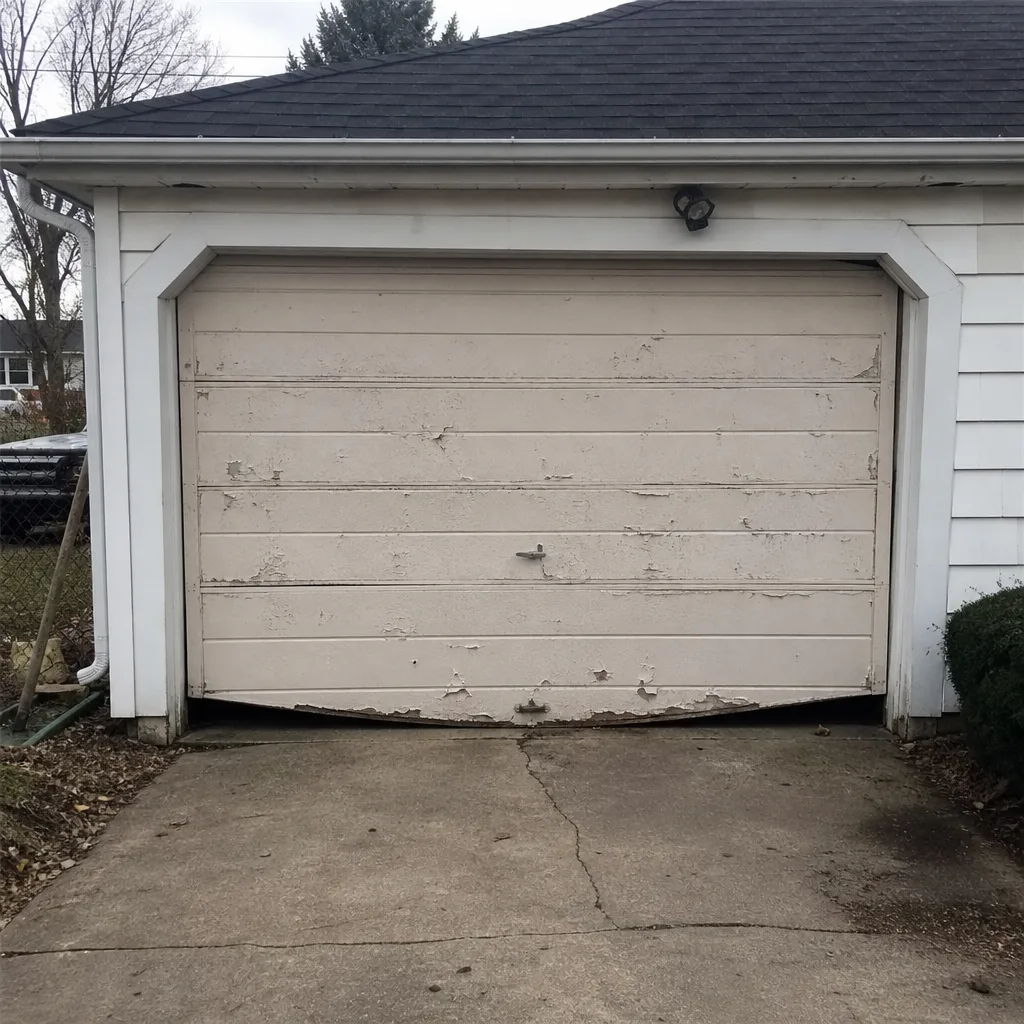 Before
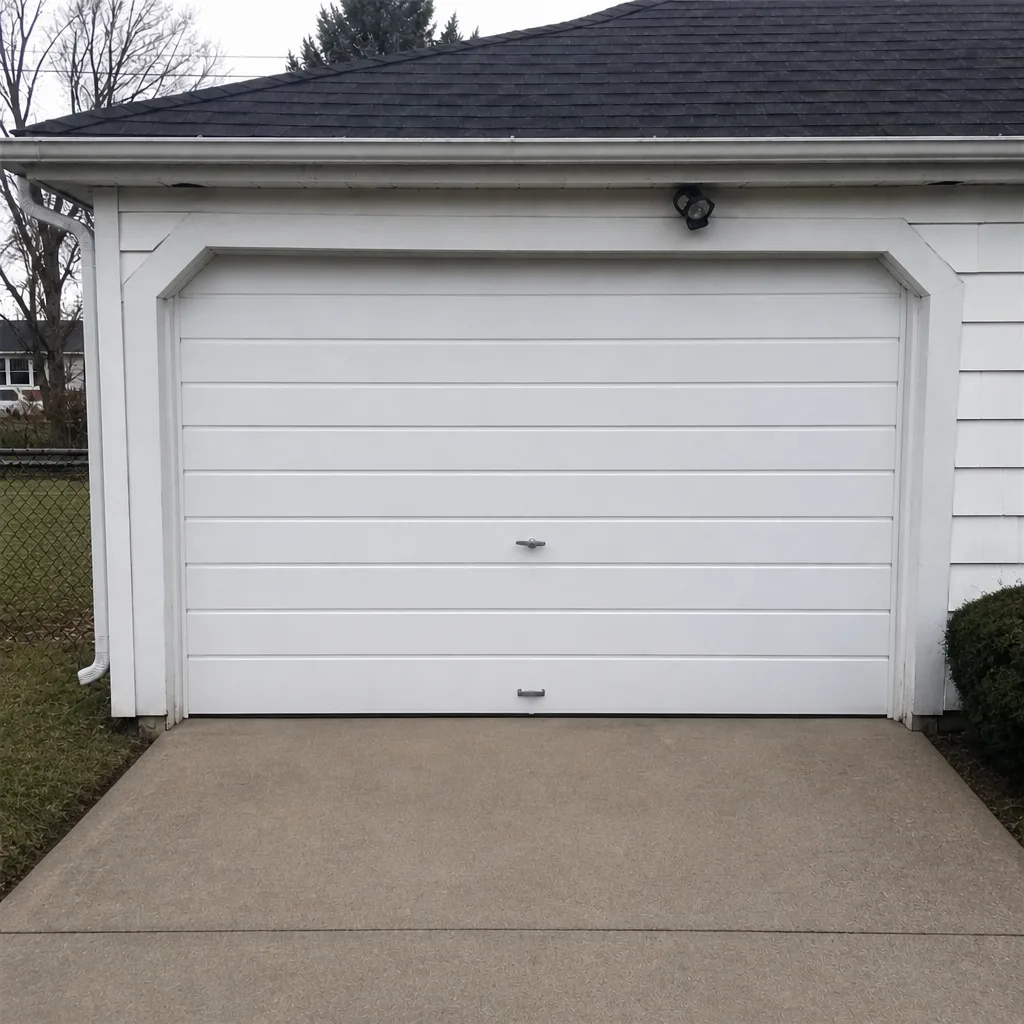 After
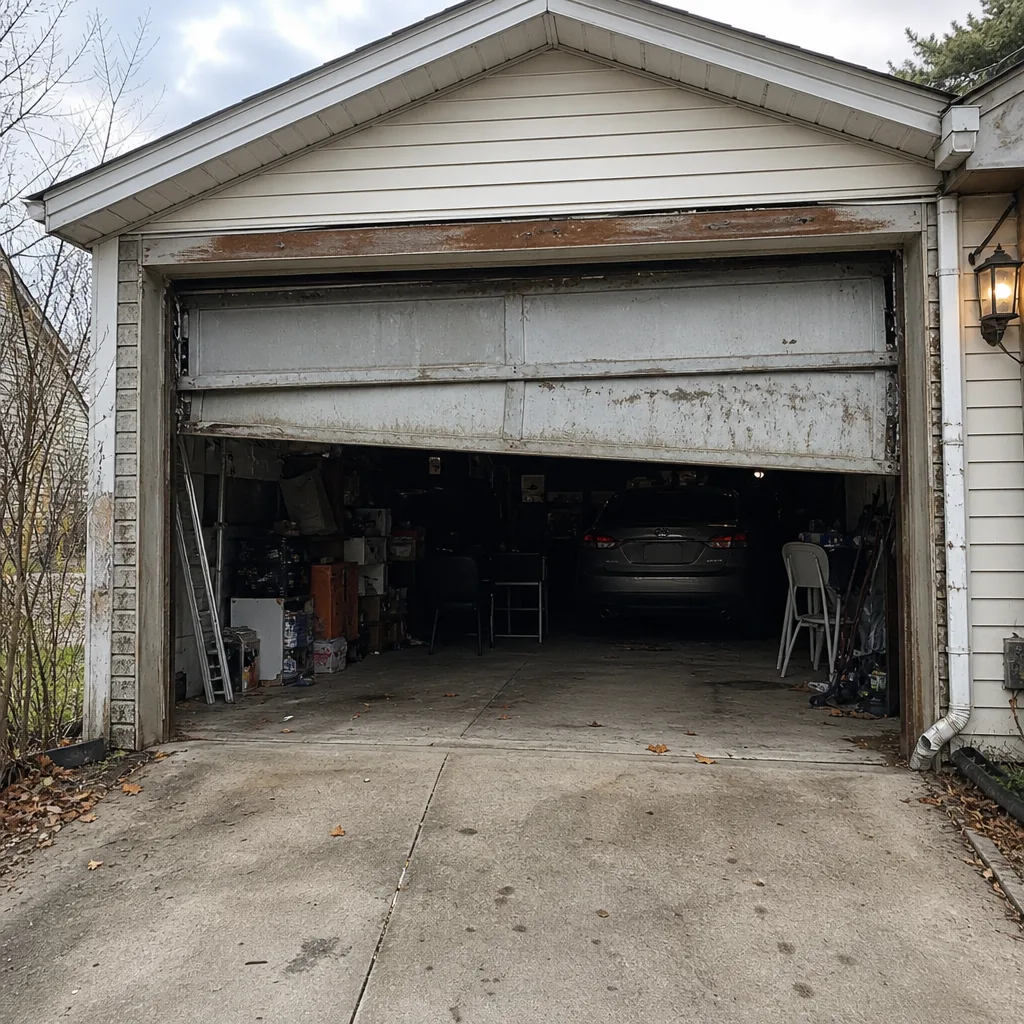 Before
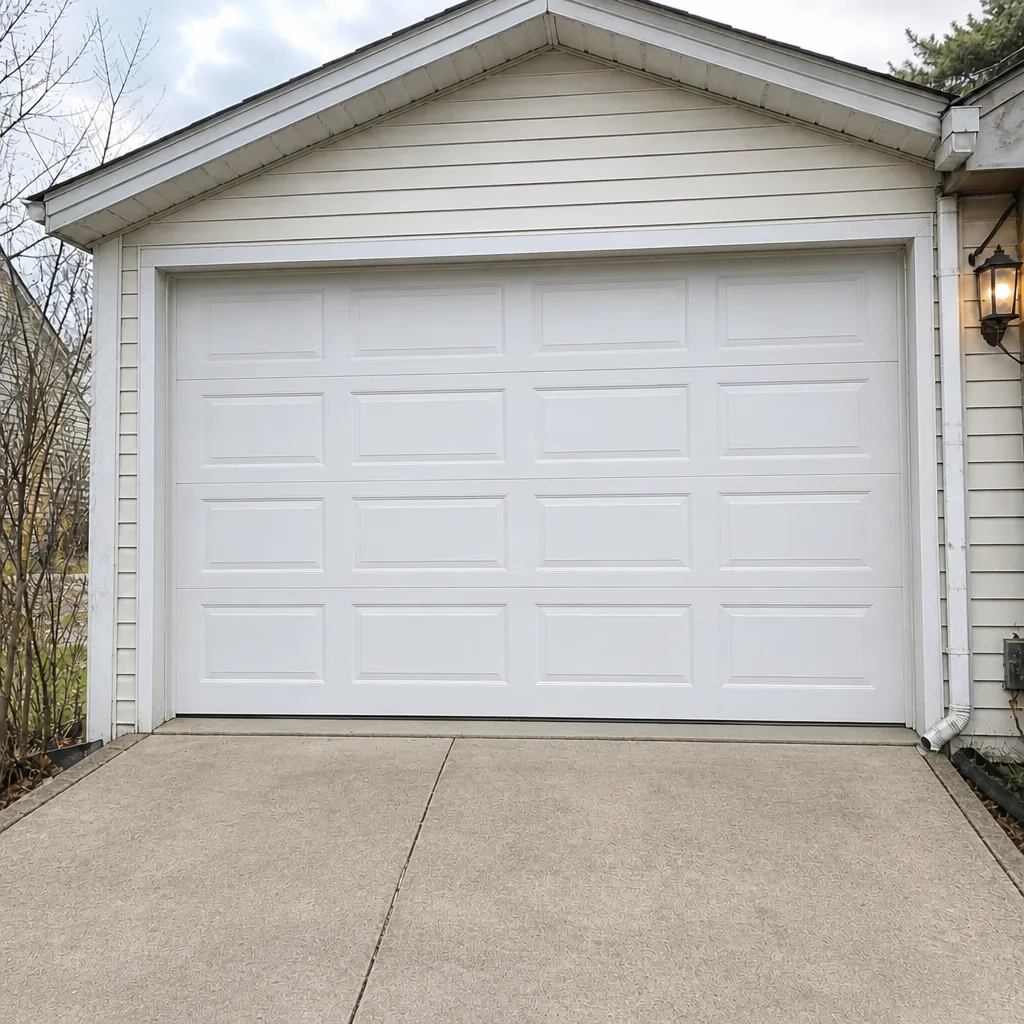 After
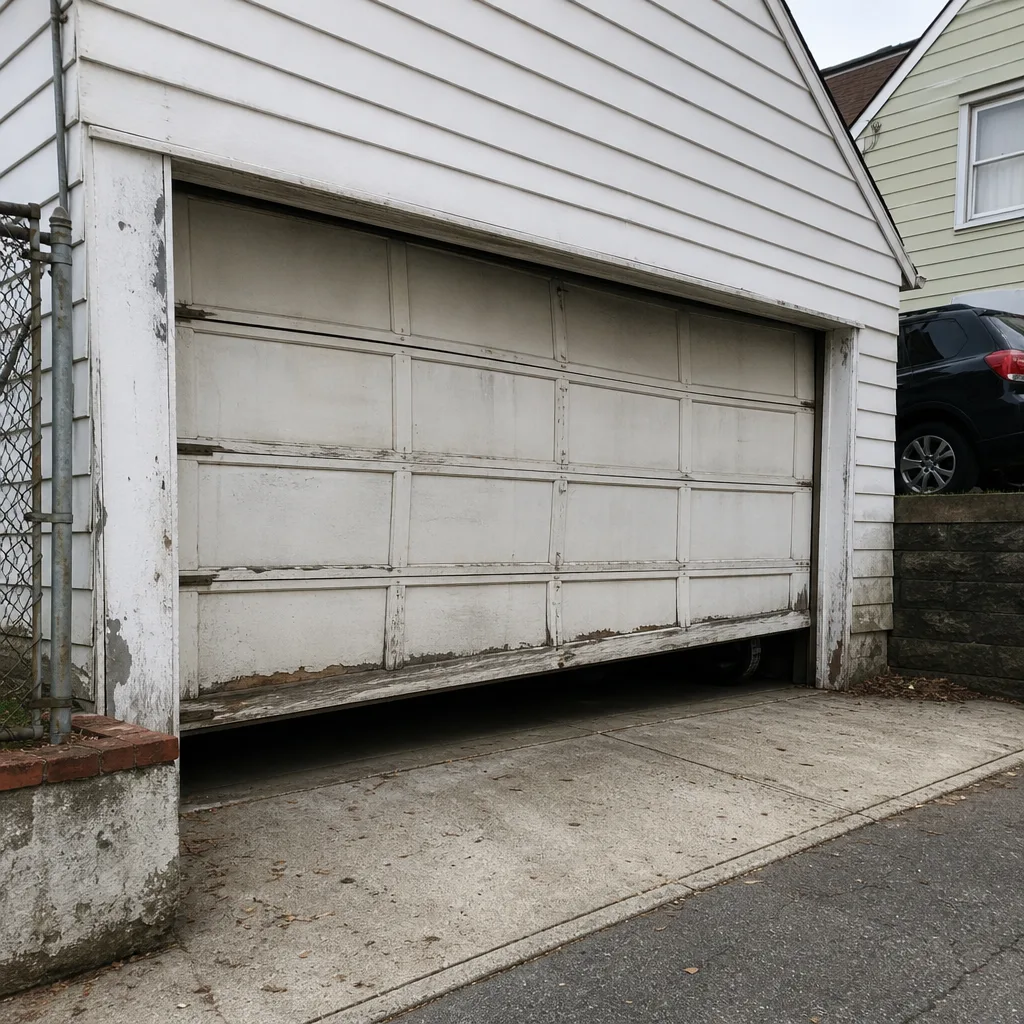 Before
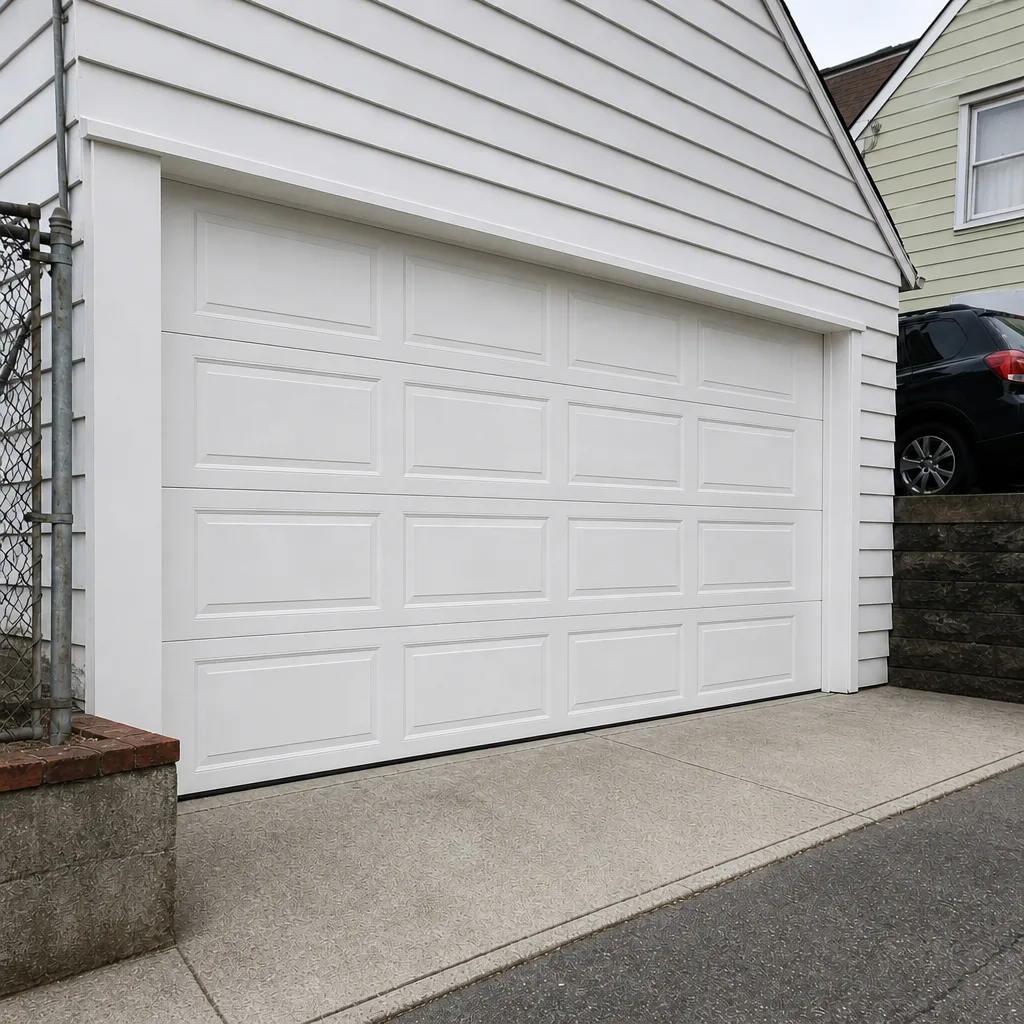 After
When to Call a Professional
Call a professional when a symptom involves springs, cables, or opener internals; when a balance test fails; when the door reverses incorrectly or not at all; or when the door has stopped moving and you don’t know why. Also call if you’ve done the basic checks and the problem persists. In Highbridge, we offer free estimates on all work, and for homes where the door has stopped moving we respond to emergency calls. Spring and cable work is technician territory by any standard; we handle both as dedicated services because they’re the components most often damaged by DIY attempts. If your door is broken and you’ve tried a quick fix, or you’re frustrated with a general contractor who treated the door as an afterthought, call (833) 508-9256. Our technicians have up to 14 years of experience, are certified on eight major brands, and we bring the right part for your door on the first visit.
Frequently Asked Questions
Typical annual maintenance in Highbridge ranges from straightforward lubrication and inspection all the way to more involved tune-ups depending on the door’s condition and model, and the written estimate sets the final price. Prices are quoted and agreed before any work starts. Call (833) 508-9256 for a free estimate – estimates are free.
Yes, for emergency service we do our best to get to you the same day – garage doors are all we do, which means we’ve seen your problem before. Emergency service is a real part of what we offer, not just a phrase. Call (833) 508-9256 and we’ll get a technician out as fast as we can.
Yes, light lubrication of the torsion spring coils with white lithium grease is a homeowner-safe task. What isn’t safe is adjusting, removing, or handling springs or cables in any way that involves tension – those store enormous energy and require a trained technician. When in doubt, leave it to us.
Test the safety reverse monthly, and again after any seasonal change or power interruption. A door that doesn’t reverse on contact is a genuine safety problem. If your test fails, call (833) 508-9256 before using the door again – safety issues are never something to defer.
No. The written estimate is the final price. We quote and agree the work before anyone starts, so an invoice beyond the quote won’t happen. Call (833) 508-9256 for an exact quote – estimates are free.
Yes – the local professional is licensed and insured as their state requires. Our technicians have up to 14 years of experience and are certified to service eight of the most widely installed brands, including Amarr, Wayne Dalton, Craftsman, and Raynor. Call (833) 508-9256 for a free estimate.
Yes – we work on LiftMaster, Chamberlain, Genie, Clopay, Amarr, Wayne Dalton, Craftsman, and Raynor. Being factory-familiar with eight major brands means we can diagnose accurately and bring the correct part on the first visit, which is how a maintenance call stays a maintenance call instead of a repeat visit. Call (833) 508-9256 for a free estimate.
The Bottom Line
The best garage door maintenance checklist is one you actually keep. Lubricate springs, hinges, and rollers monthly with white lithium grease – not WD-40. Test the balance and safety reverse each season. Do a full annual walkthrough on top of the monthly and seasonal checks. Document what you find and when symptoms started. Stay on the safe side of the technician line for springs, cables, and opener internals. In Highbridge’s humid summers and freeze-thaw winters, those three habits prevent most of the repairs we see. Get it right once and the door lasts longer and costs less over time. Call (833) 508-9256 for a free estimate and we’ll help you keep your door working.
Written by the team at Garage Door Repair Highbridge.