Last updated November 21, 2026
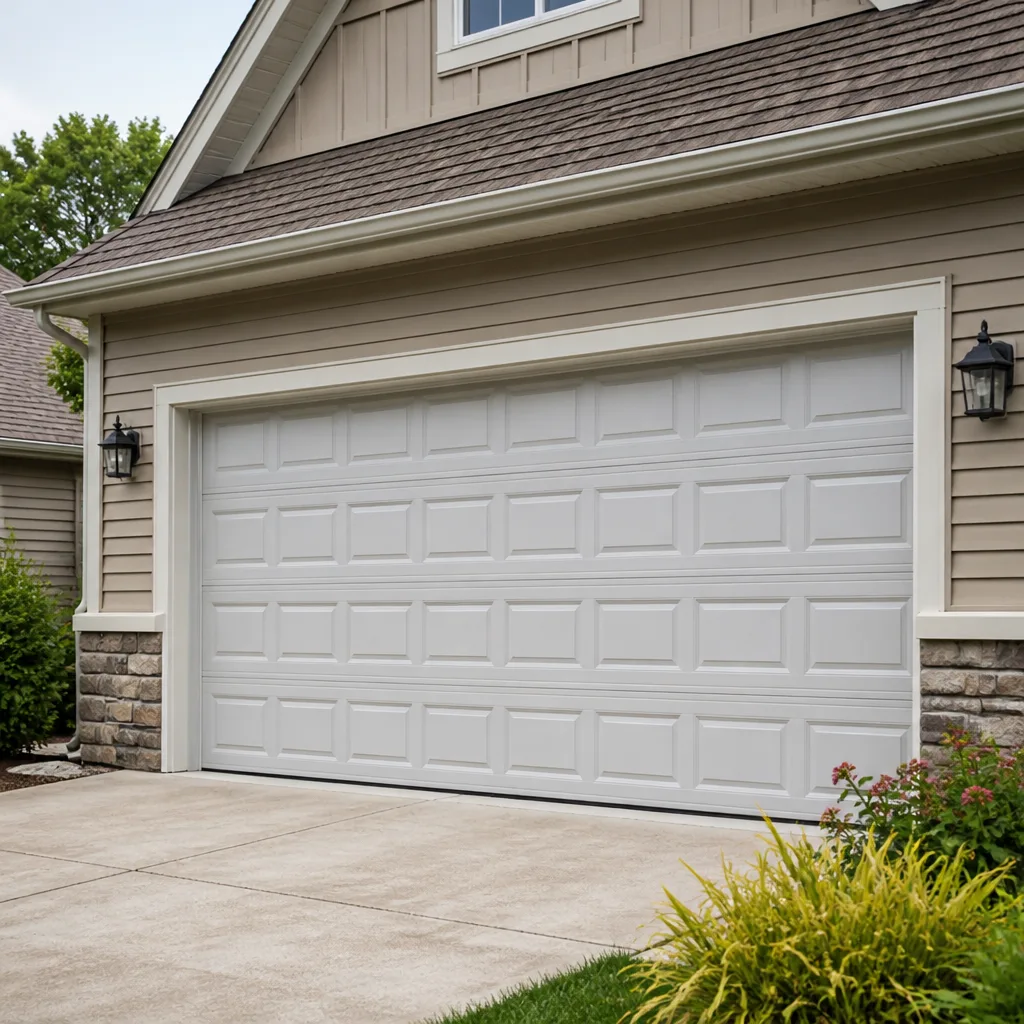 Raised-panel steel
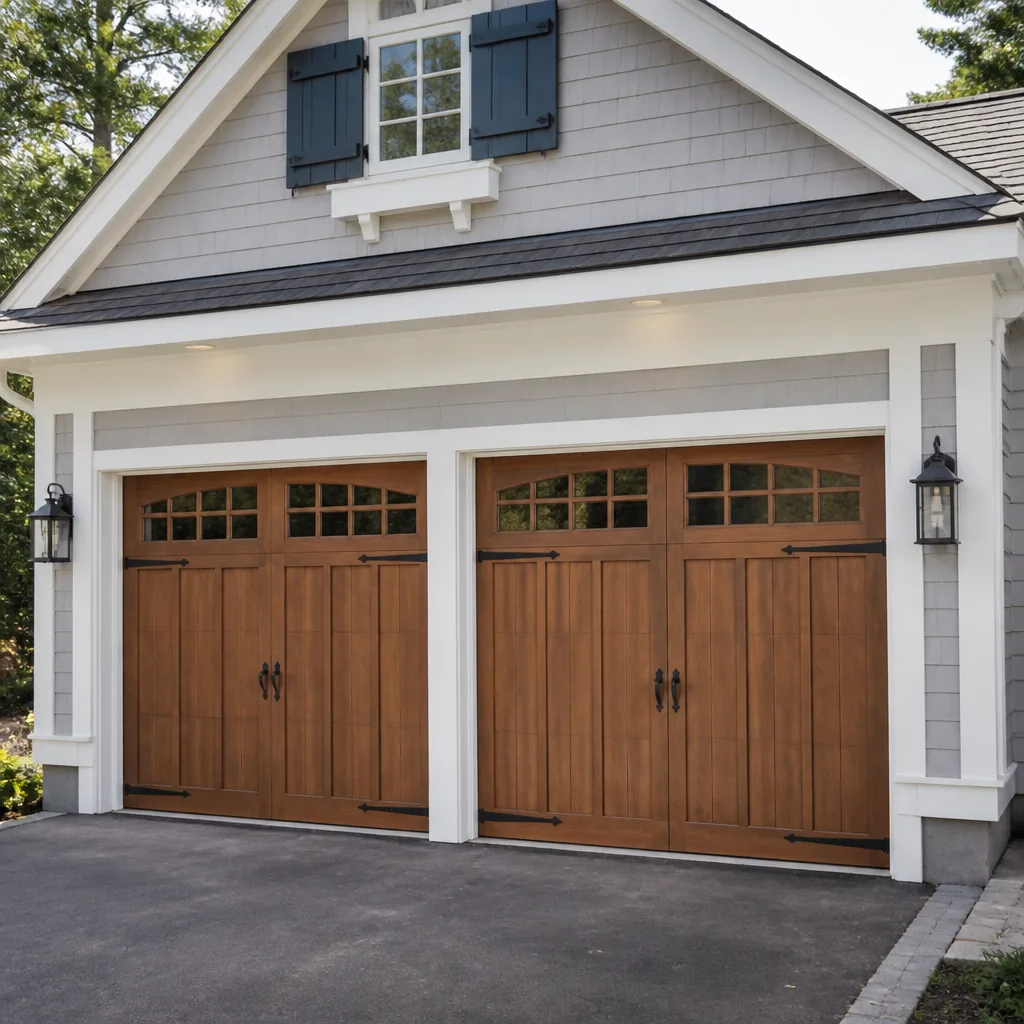 Carriage house
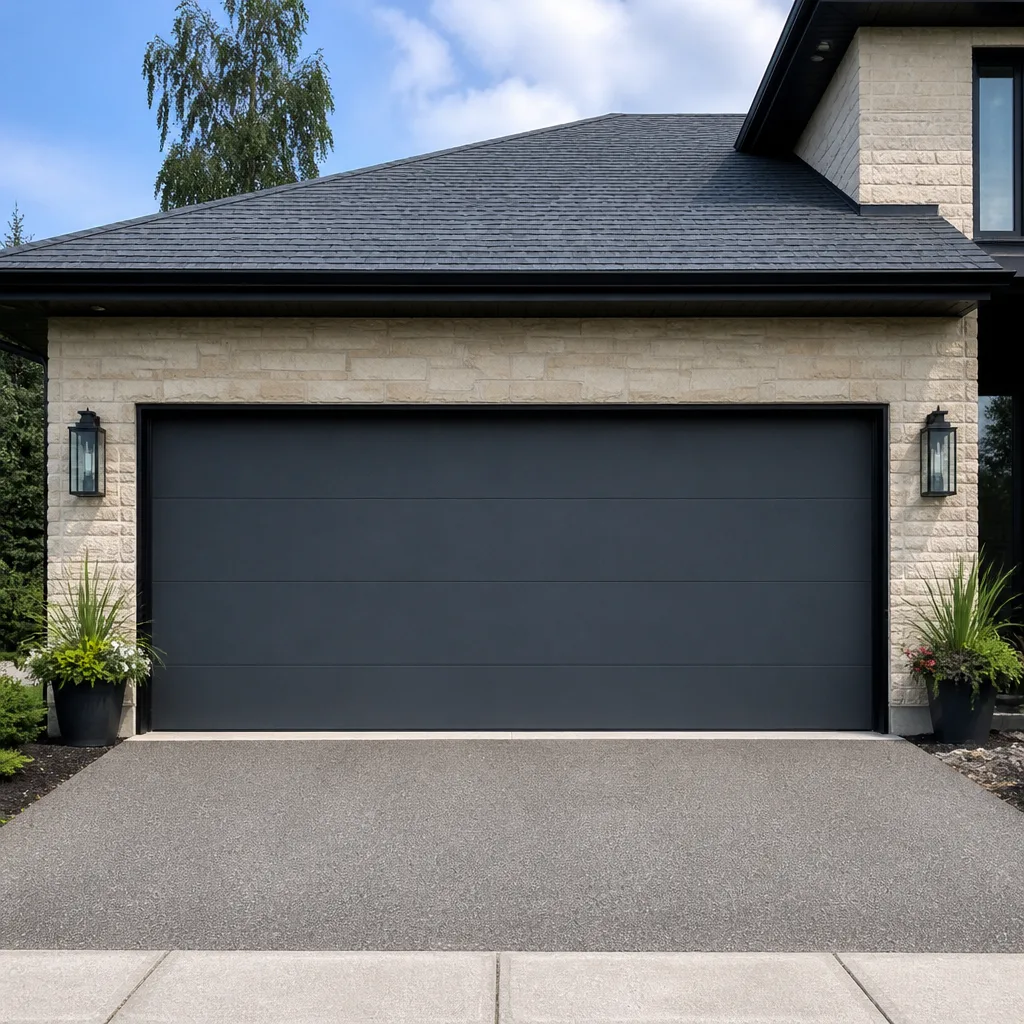 Modern flush
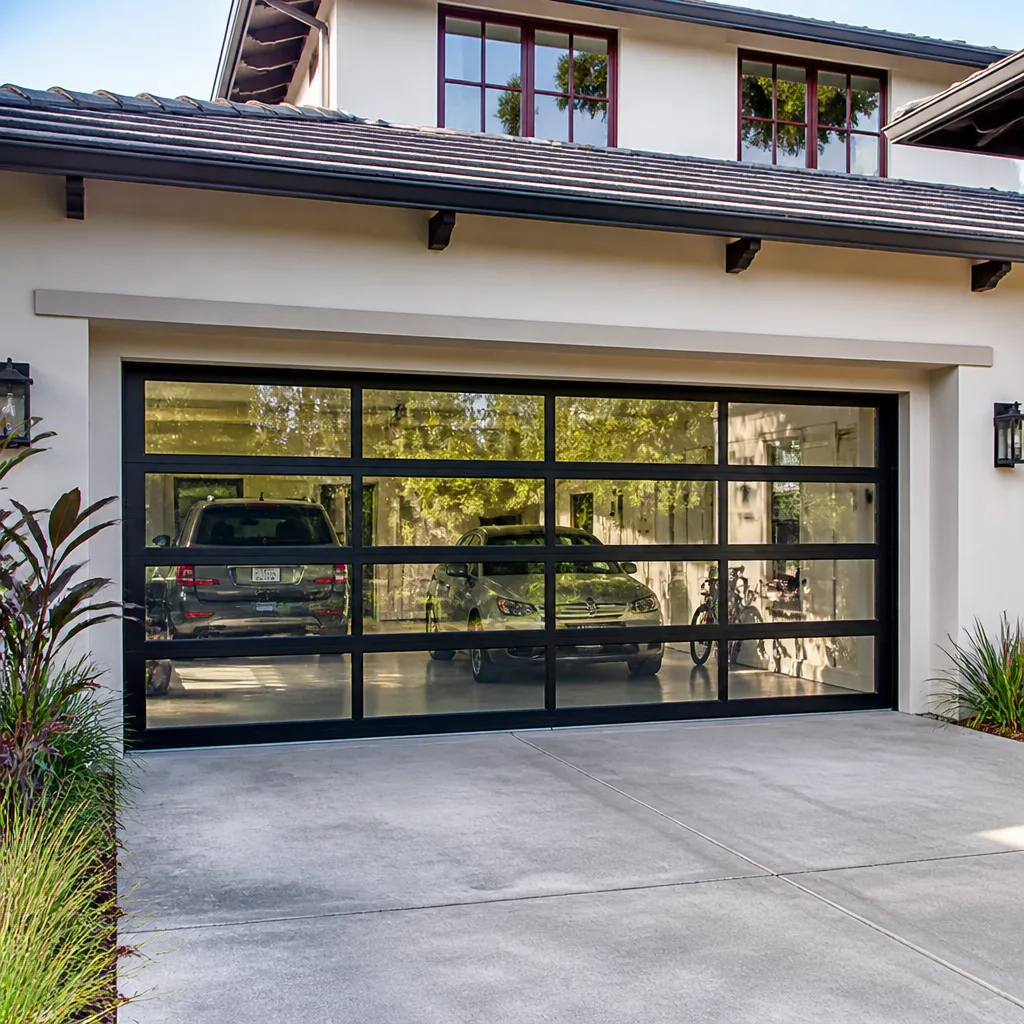 Full-view glass
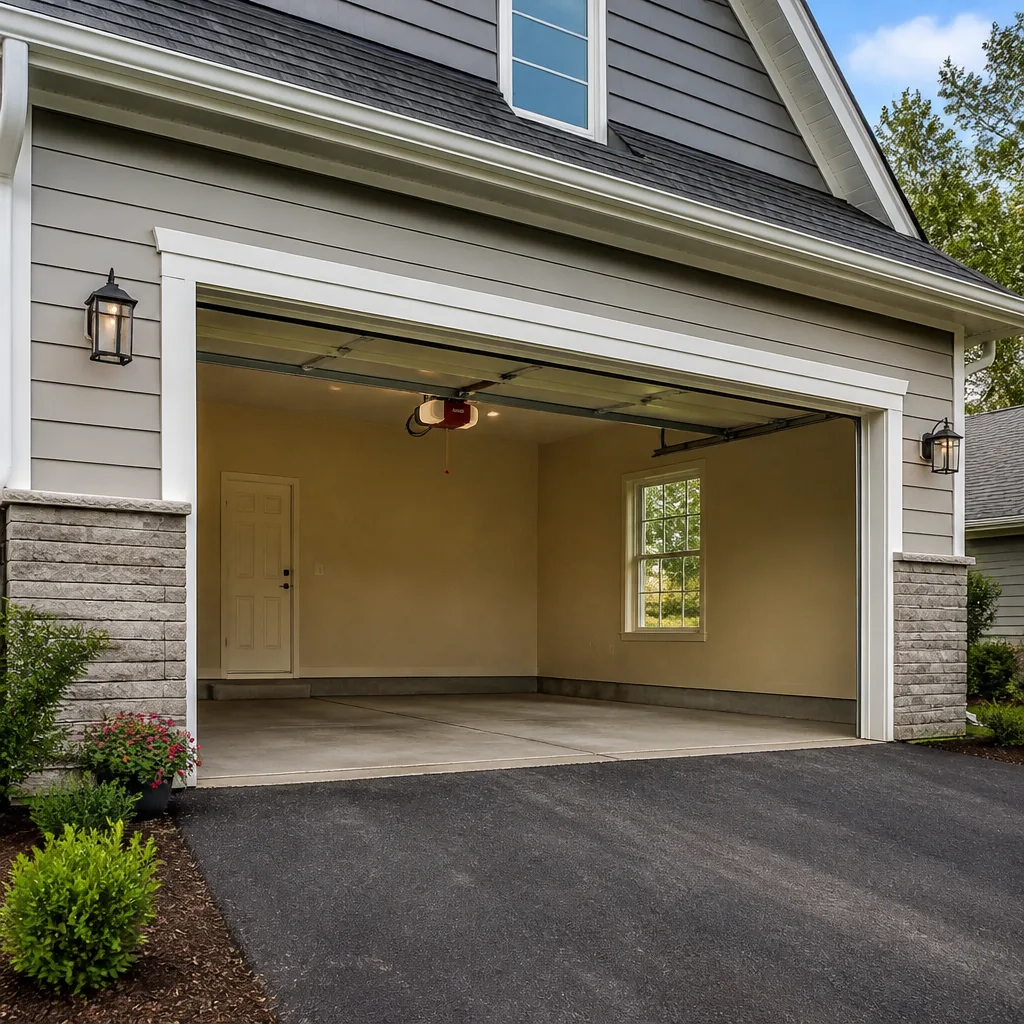 LiftMaster openers
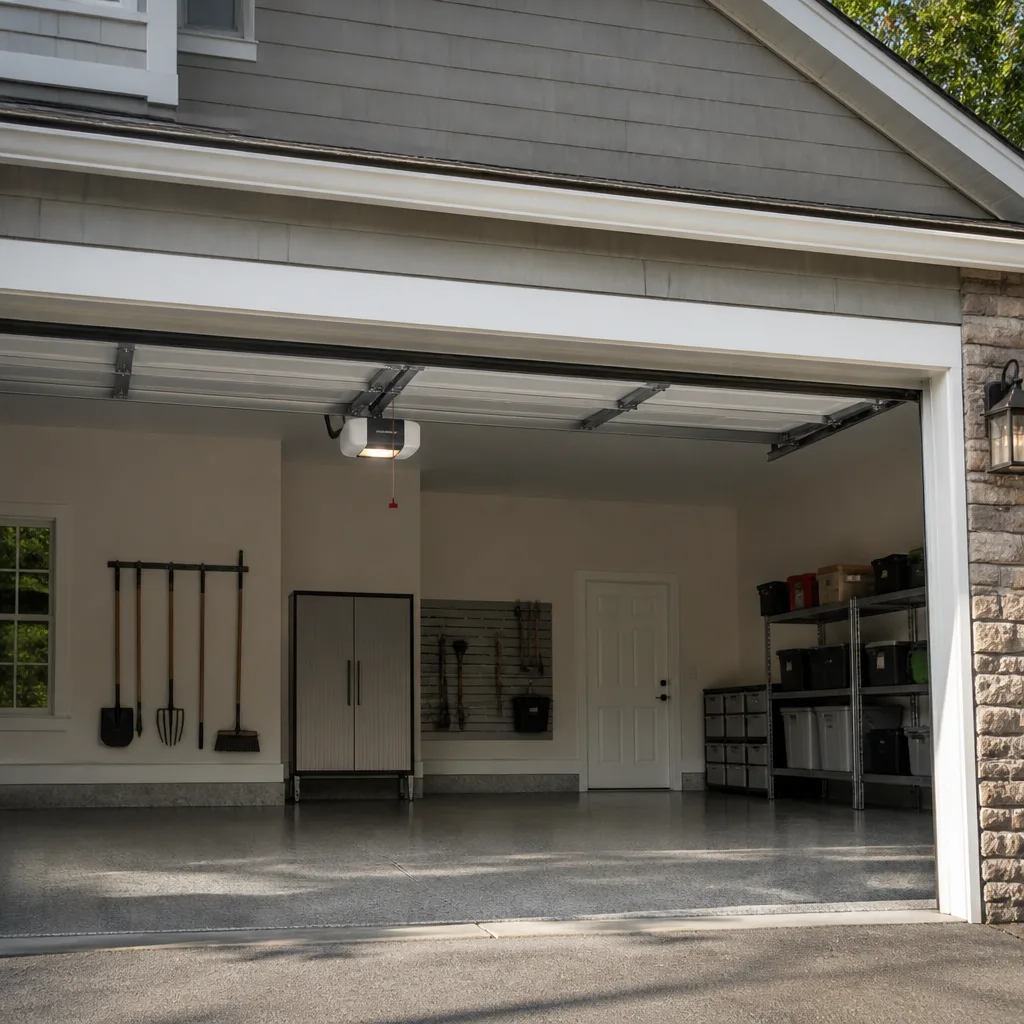 Chamberlain openers
Full 25-point door and opener safety check with every visit - springs, cables, rollers, tracks, and your LiftMaster or Chamberlain opener included
You get a price before we start. It does not change when the pro arrives.
Get your free estimateThe Complete Guide to Garage Doors in Highbridge
Most Highbridge garages were built before automatic openers existed. That single fact explains why so many doors in this neighborhood fight their owners: the opening is a little too tight, the headroom is a little too shallow, and the framing was never designed to carry a modern torsion system. The typical advice you find online assumes a suburban garage from the 1990s. Your Highbridge garage is not that. In this guide we walk through how pre-war and mid-century construction shapes door sizing, why narrow urban lots eliminate certain door types outright, which materials survive the Bronx-adjacent environment, and how to measure your own garage before you call anyone.
Quick Answer
Garage doors in Highbridge need to be measured against the actual opening and headroom, not chosen from a catalog, because most of the neighborhood’s garages predate modern door systems. Standard 16-foot doors often don’t fit converted multifamily garages or rowhouse bays, and opener compatibility usually depends on clearances that were never built in. A proper assessment comes before any quote: measure width, height, and side and ceiling clearance first, then choose the door and opener that match.
Styles & brands we work with
- Raised-panel steel
- Carriage house
- Modern flush
- Full-view glass
- LiftMaster openers
- Chamberlain openers
Table of Contents
- How Highbridge’s Older Housing Shapes Every Door Decision
- How Pre-War and Mid-Century Construction Affects Standard Sizing
- Why Urban Lot Constraints Eliminate Certain Door Types
- What a Big-Box Quote Misses in a Highbridge Garage
- Which Materials Hold Up in the Bronx-Adjacent Urban Environment
- Brand Matters for Parts Availability and Opener Compatibility
- How to Assess Your Garage Before You Call Anyone
- Seasonal Maintenance in Highbridge
How Highbridge’s Older Housing Shapes Every Door Decision
Highbridge is a neighborhood of rowhouses, brick walkups, and converted multifamily buildings. Many of the garages attached to those structures were framed for a swinging wooden door, a manual roll-up, or a simple tilt-up slab. When automatic openers arrived, owners bolted them onto whatever framing existed. That’s why the first question on almost any job here isn’t which door you want. It’s what the structure can actually support.
The practical consequences show up in three places:
- Headroom. Opener rails and torsion springs need clearance above the opening. Older Highbridge garages often run the ceiling tight to the door header, which rules out many standard rail configurations.
- Structural framing. A modern sectional door carries load through the brackets and springs. If the framing was never built for that load, it needs reinforcement before any new door goes up.
- Opening squareness. Brick walls settle differently than frame walls. A door that measures correctly at the header can still bind at the sill.
None of this is a reason to avoid a new door. It’s a reason to look at the opening before looking at a brochure. When we assess a Highbridge garage, we start with the structure and work outward from there, because the right part for your brand on the first visit depends on knowing what the opening will accept.
How Pre-War and Mid-Century Construction Affects Standard Sizing
Standard residential door widths assume a garage built for a car of a certain size and a driveway wide enough to reach it straight on. Highbridge doesn’t always cooperate. A converted multifamily building may have a single-car bay squeezed between a stoop and a shared wall. A rowhouse garage might be nine feet wide with an eight-foot door, or narrower. When you shop by standard size, you end up with a door that doesn’t fit or an installer who wants to modify your wall.
Here’s how sizing usually plays out in Highbridge garages:
- Measure the opening, not the door. Width is measured between the jambs at the widest point, height from the floor to the header. Measure in three places for each dimension and use the smallest number.
- Check the door depth. Sectional doors need room behind the opening as the panels travel up and back. A shallow bay may require a different track radius or a low-headroom setup.
- Confirm side clearance. The vertical track and brackets need room on each side. Narrow bays between shared walls can lose several inches to a neighbor’s masonry.
- Note any slope or step. Older Highbridge floors and sills often aren’t level, which affects the bottom seal and the door’s resting position.
If you’re replacing a door in Highbridge and the opening is nonstandard, plan for a custom or semi-custom size rather than forcing a stock unit. It costs less over time than repairing a door that never should have been hung. Our technicians have up to 14 years of experience reading these openings, which is why we measure twice and quote once.
Why Urban Lot Constraints Eliminate Certain Door Types
Urban lots come with limits that suburban guides don’t address. In Highbridge, the three constraints that come up most often are narrow driveways, shared walls, and low ceilings. Each one knocks out door types that would work fine in a detached garage with open space on all sides.
Narrow driveways
If the approach to your garage is a tight alley or a shared curb cut, you need a door that opens predictably and parks out of the travel path. Doors that swing outward or require a wide approach get ruled out fast.
Shared walls
Many Highbridge garages sit flush against a neighboring building. That eliminates doors that need side clearance for tracks or brackets and makes insulation on those walls less useful than a door with a strong thermal seal.
Low ceilings
A low-ceiling garage can’t handle a standard high-lift track or a full-length rail. It needs a low-headroom conversion, a different spring setup, or a door built for the constraint. This is where a generalist installer usually stalls.
Before you fall in love with a door style, walk out to your garage and check these three things. If any of them is tight, the door shortlist narrows quickly, and a trained assessment saves weeks of back-and-forth with a company that only sells stock units.
What a Big-Box Quote Misses in a Highbridge Garage
A big-box installer quotes a door and a standard installation. What they don’t see from a counter is the ten things that make your Highbridge garage different from a suburban one. The quote looks clean until the install day, when the crew finds a header that needs reinforcement or a ceiling that leaves no room for the rail.
- Structural readiness. Older framing may need reinforcement before a modern door carries load through it. A standard quote typically doesn’t include that step.
- True opening dimensions. Counter measurements come from your numbers, not a site measure. A wide discrepancy between your measurement and the real opening changes the order.
- Headroom and side clearance. Standard installation assumes both. Highbridge garages often have neither.
- Opener compatibility. The opener you own may not work with the door you’re buying, especially if it was designed for a lighter or differently balanced door.
- Disposal of the old door. Not every quote includes hauling the old unit away.
- Adjustment after install. A door that binds needs adjustment, and that’s a second appointment if the first installer already moved on.
None of this makes big-box installers villains. It’s just that a garage door in Highbridge isn’t a stock product slotting into a standard opening. It’s a fitment job. That’s why we offer a free measure and a written price before anyone commits, and the written price is the price you pay.
Which Materials Hold Up in the Bronx-Adjacent Urban Environment
Materials fail differently in an urban setting. Airborne pollution settles on horizontal surfaces. Temperatures swing hard between summer heat and winter cold. Clearances are tight, so doors flex more against their tracks. The material that looks best on a showroom floor isn’t always the one that lasts in Highbridge.
Steel
Steel sectional doors handle the urban environment well. They resist impact, hold paint, and stay stable through temperature swings. The catch is that a lightweight steel door in a high-cycle urban garage needs a properly sized spring and good track alignment, or it will rattle and wear at the rollers.
Insulated steel
Insulated panels add rigidity and quiet the door, which matters in a shared-wall building. If your garage is attached to living space in a Highbridge rowhouse, insulation is worth the upgrade for temperature and noise control.
Wood and wood-composite
Wood looks right on older Highbridge facades, but it needs paint maintenance in an urban environment and is heavier, so spring sizing matters more. Composite products give you the look with less upkeep.
Aluminum and glass
Aluminum and full-view glass doors suit modern renovations, but they offer less insulation and are more vulnerable to impact in a tight urban bay. If your garage is a work bay rather than a showpiece, steel is usually the practical choice.
The material decision should follow the fitment decision, not lead it. Get the opening right first, then choose the panel.
Brand Matters for Parts Availability and Opener Compatibility
When a door or opener fails, the brand on the label determines how quickly it gets fixed. A technician who knows a brand knows the failure points, the correct replacement parts, and the wiring quirks that cause repeat visits. That’s why we work across eight of the most widely installed brands in North America: LiftMaster, Chamberlain, Genie, Clopay, Amarr, Wayne Dalton, Craftsman, and Raynor.
The practical upside for a Highbridge homeowner:
- Amarr and Wayne Dalton doors are common in residential renovations, and both have predictable panel tolerances that make sizing easier when the opening is tight.
- Craftsman and LiftMaster openers share a lot of design lineage, which simplifies diagnosis on older units that were installed when the garage was first wired.
- Raynor doors show up on mid-century builds, and knowing their track and hinge patterns saves guesswork on older Highbridge installations.
- Genie and Chamberlain openers have different logic boards and safety sensor behavior, so brand knowledge changes how fast a no-go door gets diagnosed.
This is where a single-trade specialist earns the call. We’ve seen the failure modes on these brands, which means fewer return trips and a correct part the first time. If you want to go deeper on openers, our garage door opener repair page covers the common failures and how they’re tested.
How to Assess Your Garage Before You Call Anyone
You can save a lot of time by gathering a few facts before you pick up the phone. None of this requires tools or climbing. It requires ten minutes and a tape measure, and it turns a vague “my door is broken” into a specific conversation.
- Measure the opening. Width at the widest point, height from the floor to the header, three times each. Write down the smallest number.
- Measure the side clearance. Distance from the jamb to the nearest wall on each side, since tracks and brackets need room.
- Measure the ceiling clearance. Distance from the top of the opening to the lowest point of the ceiling or any beam.
- Note the door type. Sectional (panels that fold up and back), tilt-up (a single panel that pivots), or a manual roll-up.
- Check the door balance by hand. With the door disconnected from the opener and raised halfway, a balanced door should stay put gently. If it slams or won’t stay, the spring is failing.
- Look at the frame. Any rot, crack, or bow in the framing around the opening needs noting, because it affects what door can be hung.
- Photograph everything. Photos of the opener label, the spring (from a safe distance), the tracks, and the framing give a technician a head start.
Do not reach into the spring assembly. Torsion springs are under extreme tension, and extension springs can fail suddenly. That’s not a warning label; that’s the reality of the trade. Leave the spring to trained hands. Once you have your measurements and photos, a conversation with a specialist gets to the right answer fast. For general repair questions, our garage door repair section lays out how most calls are diagnosed.
Seasonal Maintenance in Highbridge
The gap between a door that lasts and one that keeps breaking is usually maintenance. In Highbridge, the maintenance calendar follows the temperature swings: cold winters stiffen lubricants and put stress on springs; hot summers and pollution buildup affect rollers and track alignment.
A practical routine for Highbridge homeowners:
- Monthly: Look at the door from the outside for anything bent or out of line, listen for grinding or popping, and test the safety reverse on the opener by blocking the beam.
- Seasonally: Wipe down tracks and apply a light lubricant to the rollers and hinges. Lube the opener rail per the brand’s guidance. Tighten any bracket bolts that have worked loose.
- Before winter: Check the bottom seal for cracking and the weatherstripping around the frame. Cold air finds every gap in a Highbridge garage.
- After winter: Look for rust spots on steel panels and touch up paint so the rust doesn’t spread. Check the springs for visible stretch or gaps in the coils.
- Annually: Have the balance, spring tension, and opener force settings checked by a trained technician. This is the appointment that prevents the emergency call.
If your door is struggling through a Highbridge winter and you don’t want to wait, our Garage Door Repair Highbridge page explains how emergency calls are handled, and our garage door installation page covers what a replacement involves when a repair no longer makes sense.
Common Mistakes to Avoid
- Choosing a door before measuring the opening. Standard 16-foot doors assume a standard garage, and many Highbridge garages aren’t standard. Measure the opening and clearances first, then shop.
- Forcing a stock door into a nonstandard bay. A stock door that’s slightly too small or too large leads to binding, poor seals, and a door that fails early. A custom or semi-custom size costs less in the long run.
- Ignoring headroom until install day. Low ceilings in Highbridge garages rule out many standard opener rails. Check clearance before you commit to a door and opener package.
- DIY spring replacement. Torsion springs store dangerous energy. Homeowners have been seriously hurt trying to release them. This is the job to hand to a trained technician.
- Buying an opener without checking door weight. A high-cycle or heavy door needs an opener sized for the load. The wrong pairing shortens the life of both.
- Skipping the disposal question. Older Highbridge doors can be heavy, and hauling them away isn’t automatic. Ask what happens to the old door before install day.
- Going with the lowest quote without a site measure. A quote based on your tape measurement isn’t the same as a quote based on a real measure. The written estimate from a site visit is the one that holds.
See the difference
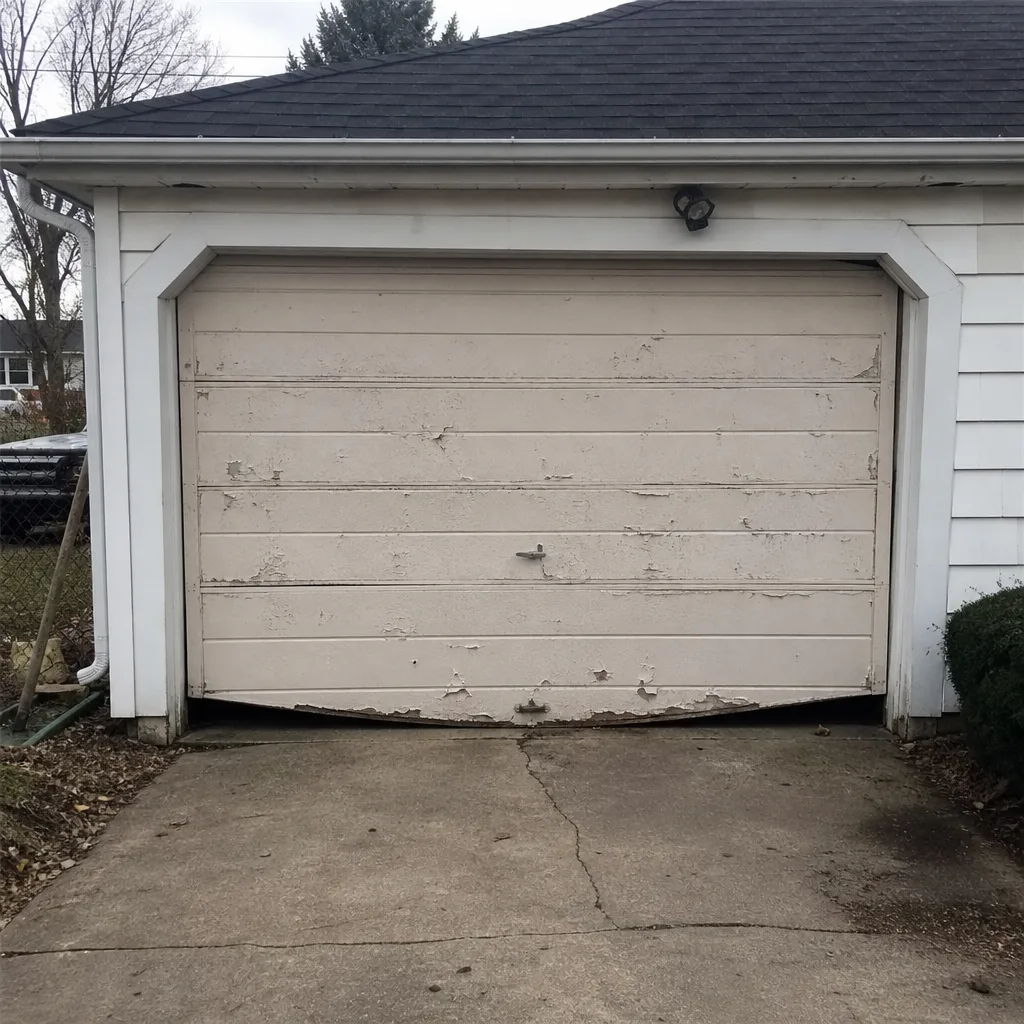 Before
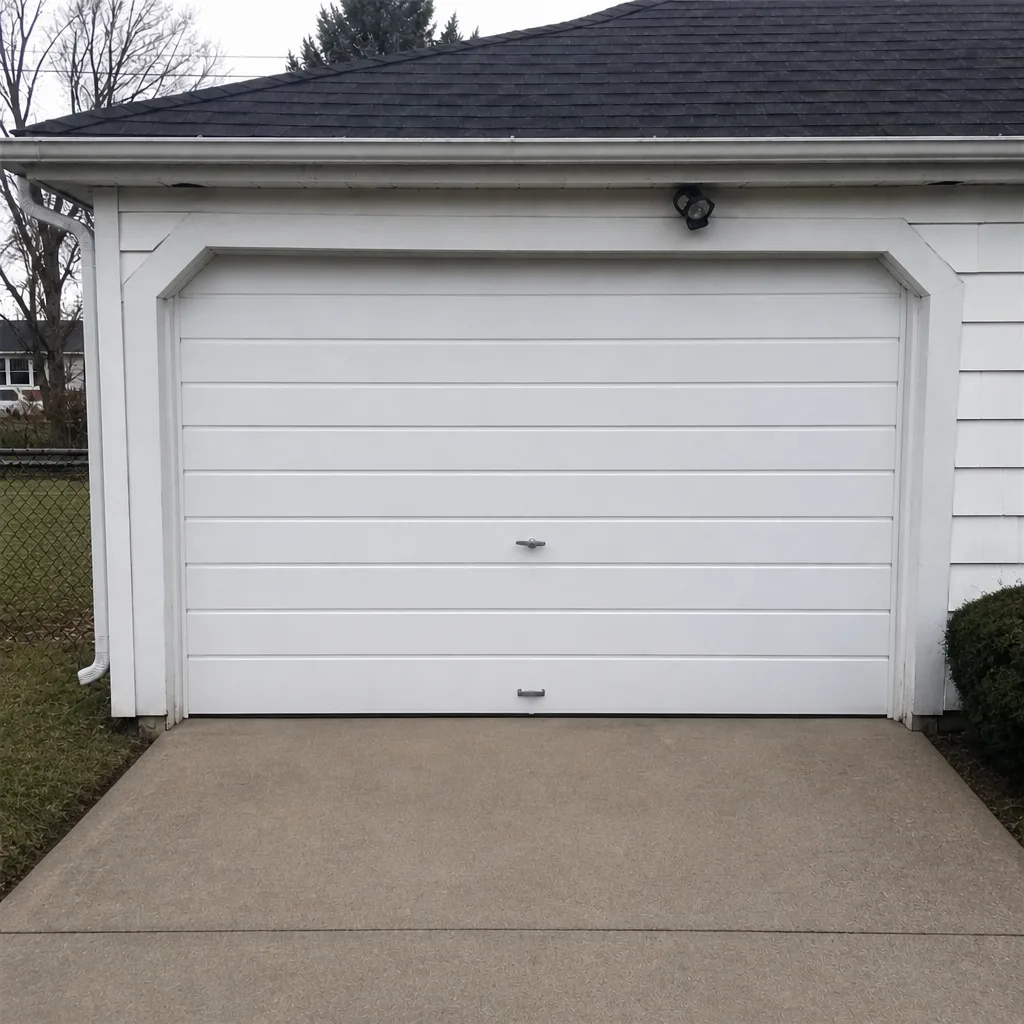 After
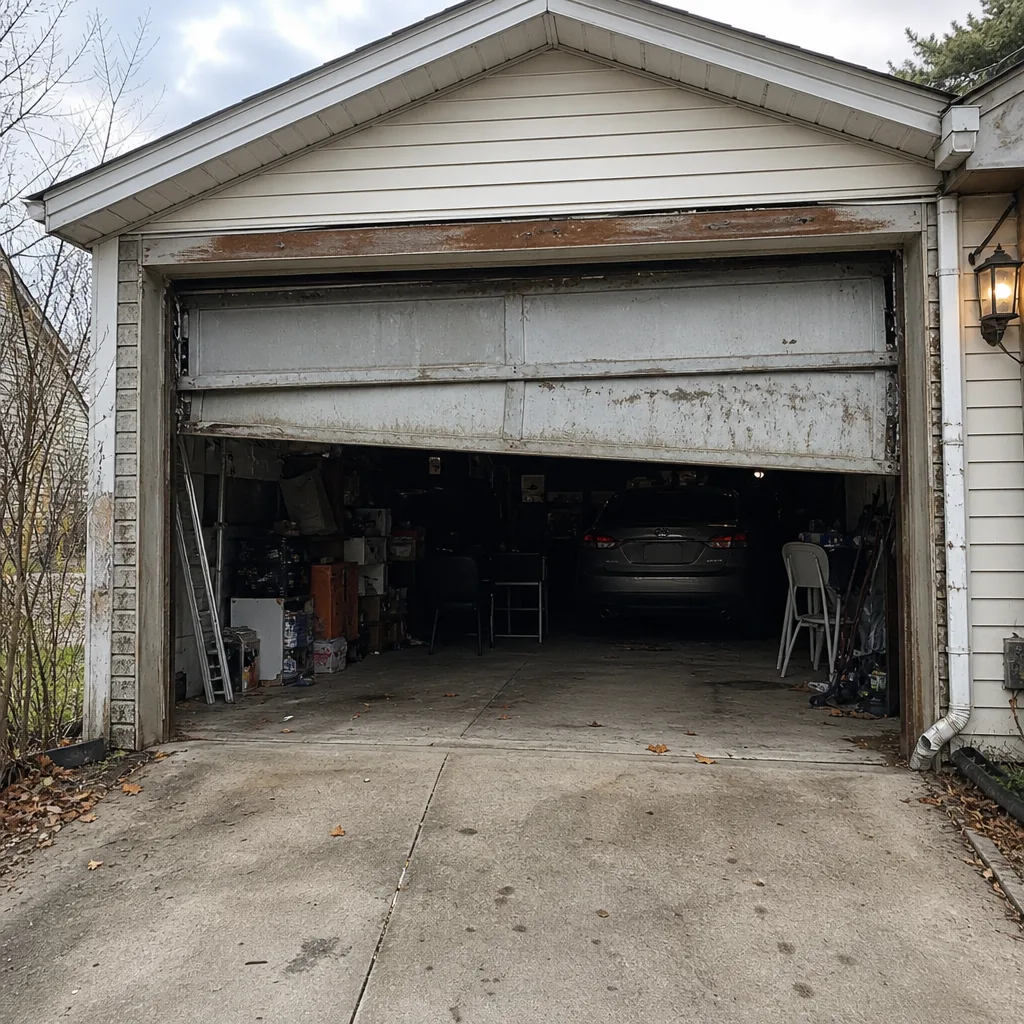 Before
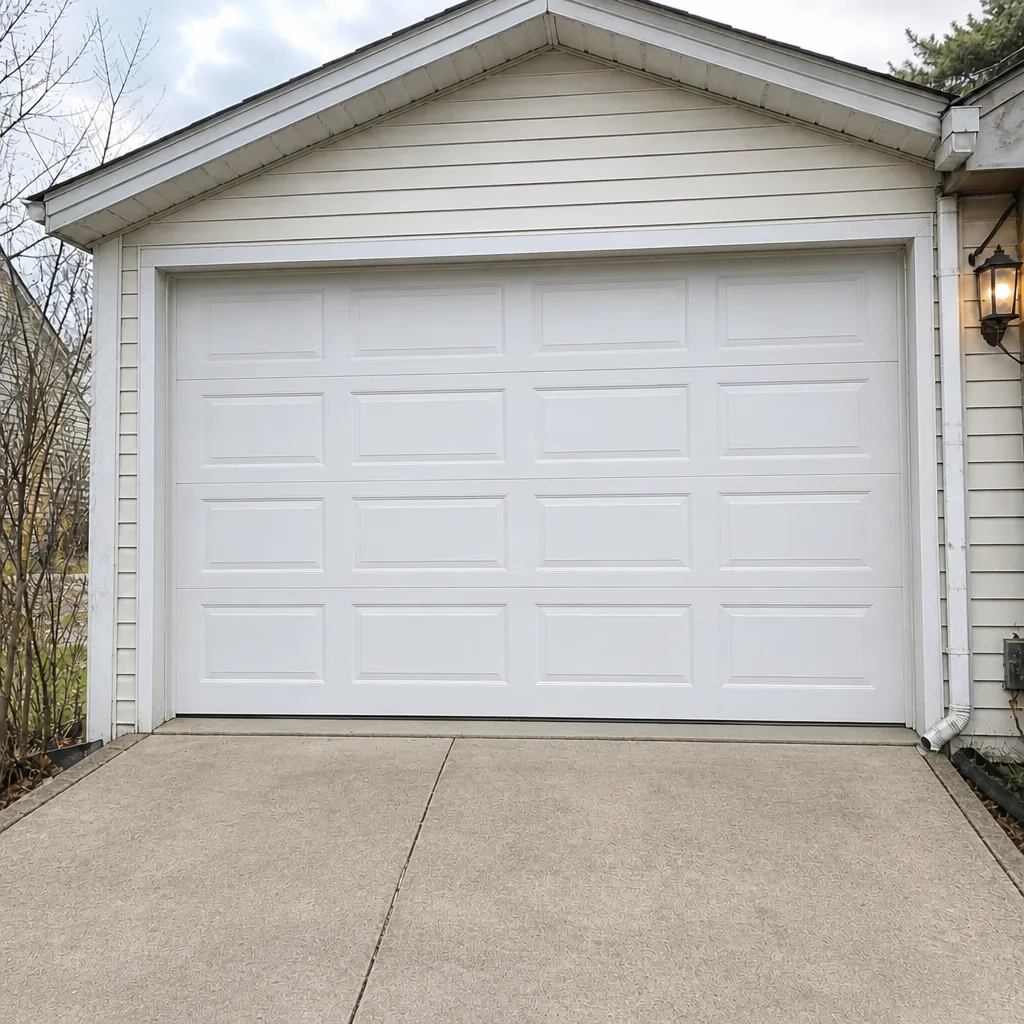 After
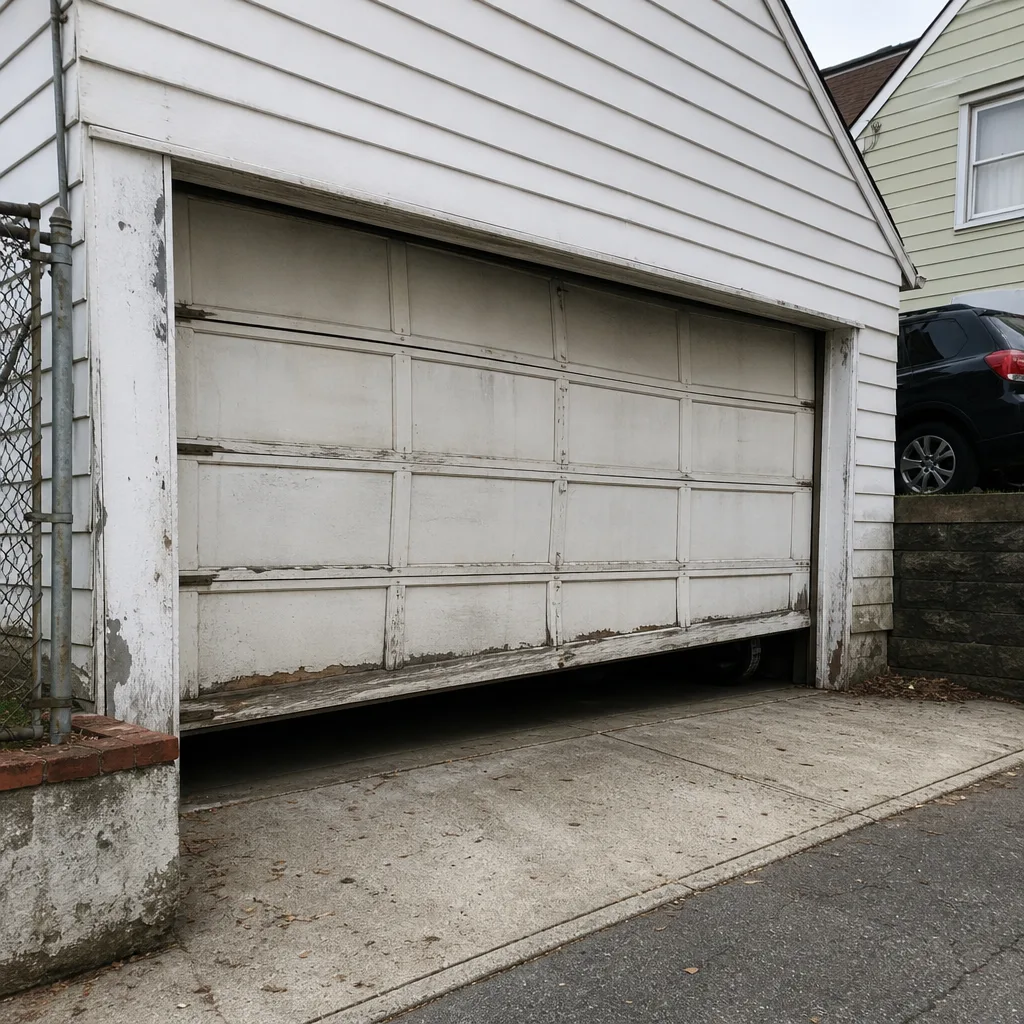 Before
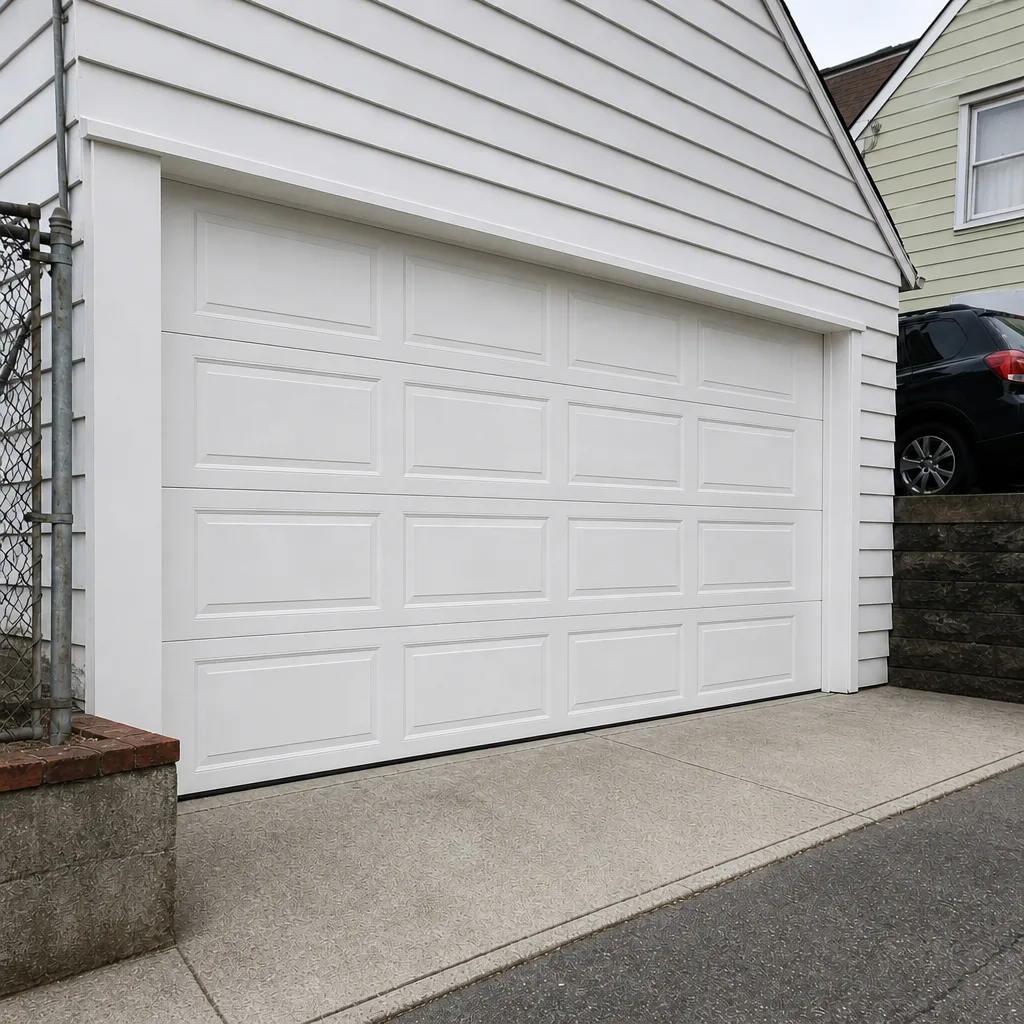 After
When to Call a Professional
Some door problems are maintenance. Others are the moment to stop and call. The line is usually clear: if the door won’t move at all, if the spring is broken or making a loud bang, if the opener runs but the door doesn’t move, or if the door is unlevel, binding, or dragging, it’s time for a trained technician. Electrical and opener wiring issues are also a professional call, because low-voltage opener wiring still ties into household power. The same goes for a spring that’s visibly stretched, rusted, or gaping between coils. Garage Door Repair Highbridge offers free estimates in Highbridge. Call (833) 508-9256 and we’ll get a technician out to assess the door, the opener, and the opening, then quote the work before anything starts.
Frequently Asked Questions
Garage door repair in Highbridge is priced per job by written estimate, and the final price depends on the door type, opener brand, opening dimensions, and whether any framing reinforcement is needed. The written estimate you receive after the technician sees the door is the price you pay, and it’s agreed before work starts. Call (833) 508-9256 for an exact quote; estimates are free.
Emergency garage door repair is part of what we do, and we prioritize calls where the door won’t open or close. Availability depends on the day’s route, so the fastest way to know is to call (833) 508-9256 and describe the problem. If the door is hanging open and won’t secure, tell us that first.
No. Once the technician measures the door and inspects the opener and opening, the quote is written and agreed before any work starts. If the inspection turns up something that wasn’t in the original scope, such as framing needing reinforcement, we tell you before we touch it, not after the invoice is written.
Garage Door Repair Highbridge connects you with vetted local professionals who are licensed and insured as their state requires. Our technicians have up to 14 years of experience and work across eight of the most widely installed brands, including LiftMaster, Chamberlain, Genie, Clopay, Amarr, Wayne Dalton, Craftsman, and Raynor. Call (833) 508-9256 for details on the specific technician assigned to your job.
The main difference is that a specialist measures your opening, checks headroom and side clearance, and verifies structural readiness before ordering a door, while a big-box quote is usually based on standard dimensions. In Highbridge’s older housing, that pre-install assessment is what prevents binding doors, wrong track radii, and return visits. A specialist also knows the parts and quirks of the brand on your door, so diagnosis is faster.
In most cases, replacing the spring is all you need, assuming the door panels, tracks, and framing are sound. A replacement door is the better call when the panels are rusted through, the structure has failed, or the door is no longer safe to operate. Our team can tell you which side of that line your Highbridge door is on after a quick inspection. Call (833) 508-9256 to book an estimate.
The Bottom Line
Garage doors in Highbridge aren’t a stock product decision. They’re a fitment decision shaped by the neighborhood’s older housing stock, narrow urban lots, tight headroom, and shared walls. Measure first, choose materials for the environment, and check brand and opener compatibility before you commit. A door that fits the opening lasts; a door forced into it doesn’t. A single-trade specialist who has seen these Highbridge constraints before will get you to the right door, the right opener, and the right price faster than a generalist. Call (833) 508-9256 for a free estimate and a written price before any work starts.
Written by the team at Garage Door Repair Highbridge.