Last updated November 21, 2026
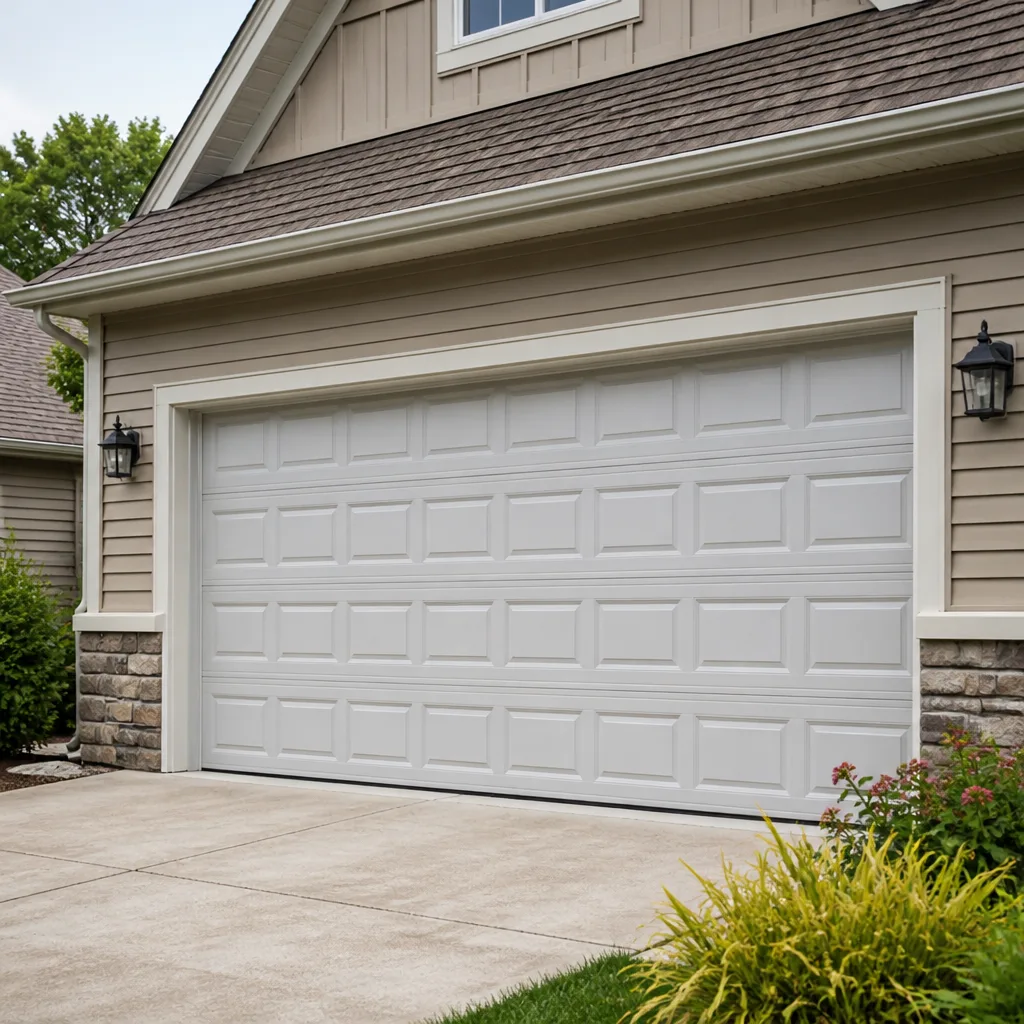 Raised-panel steel
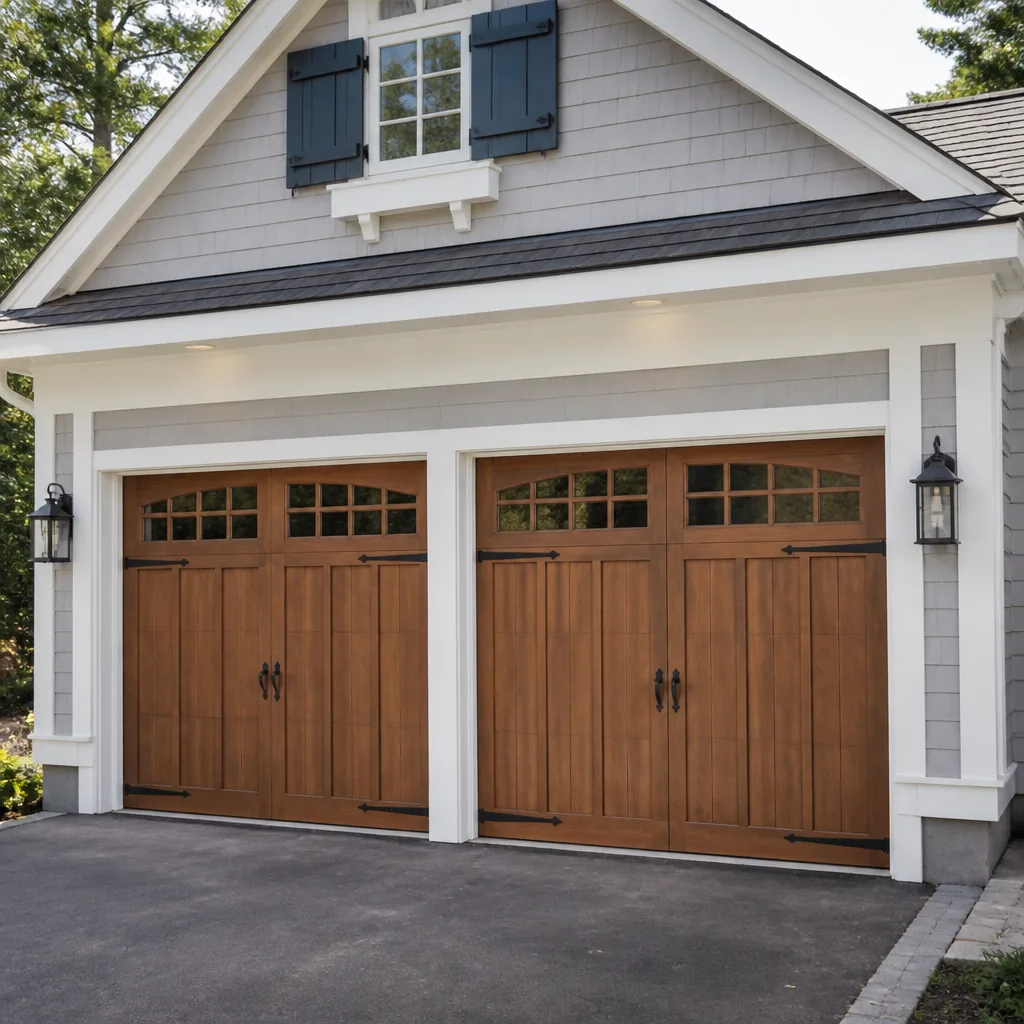 Carriage house
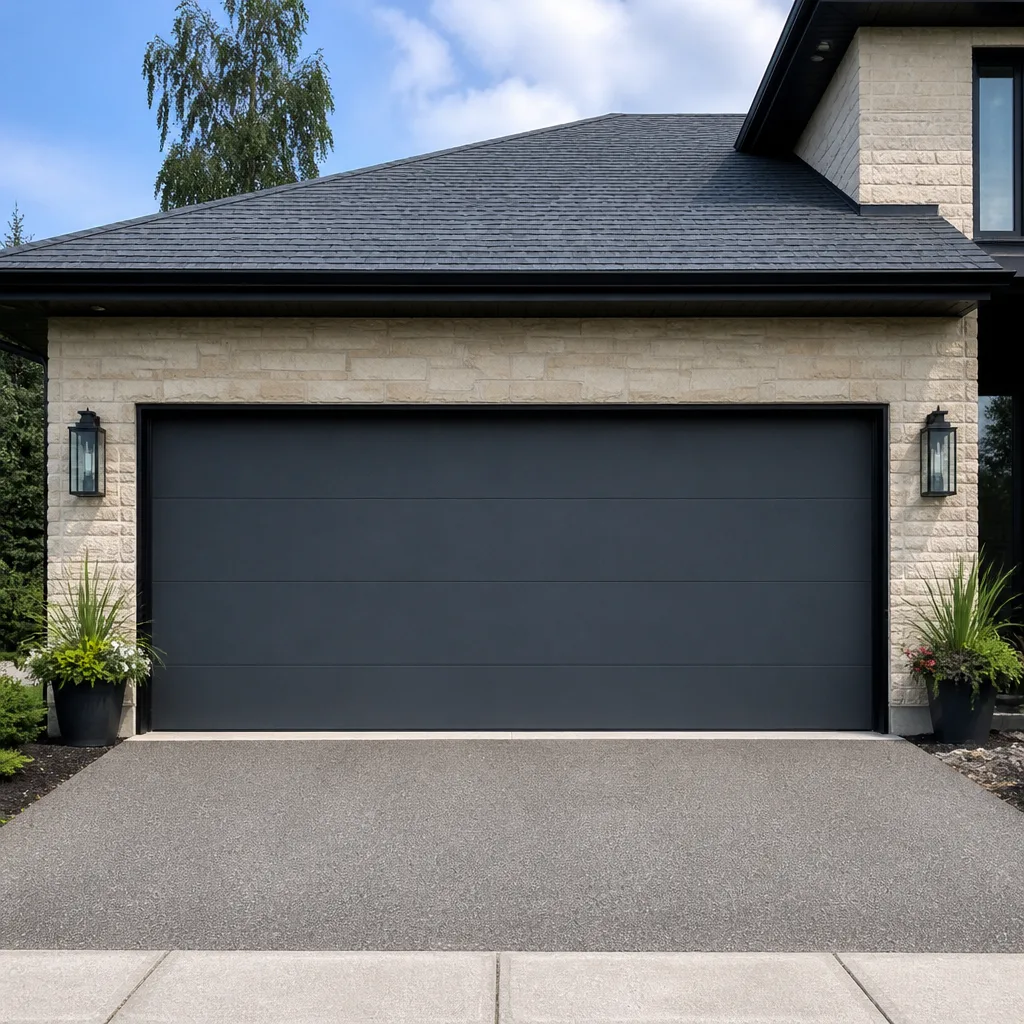 Modern flush
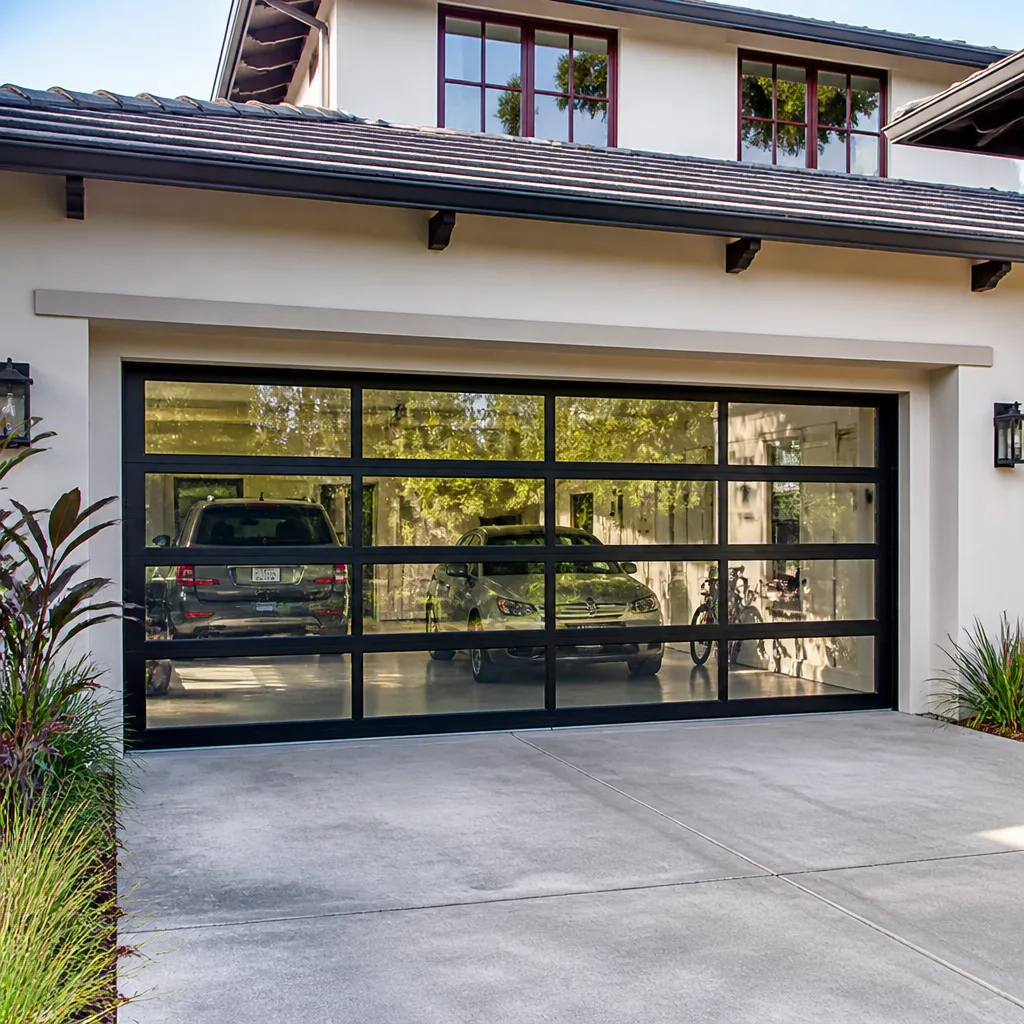 Full-view glass
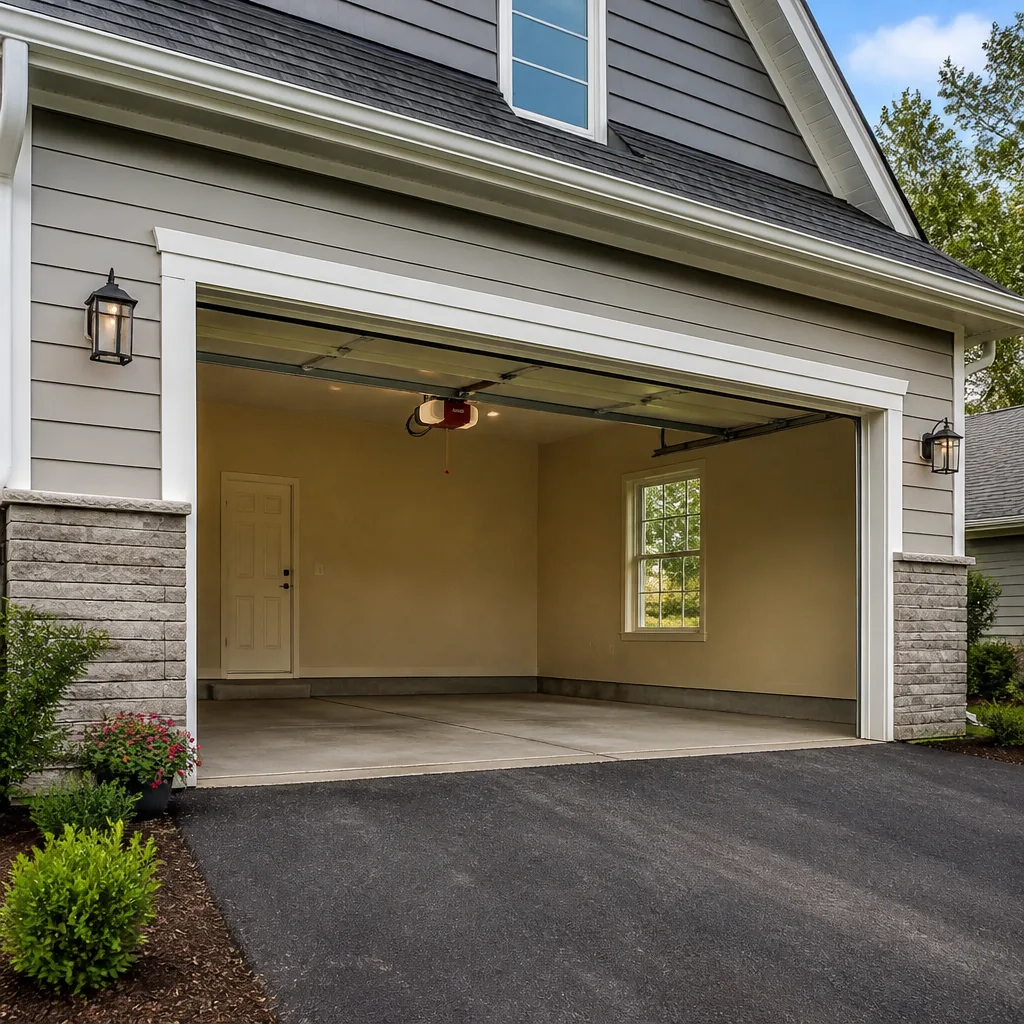 LiftMaster openers
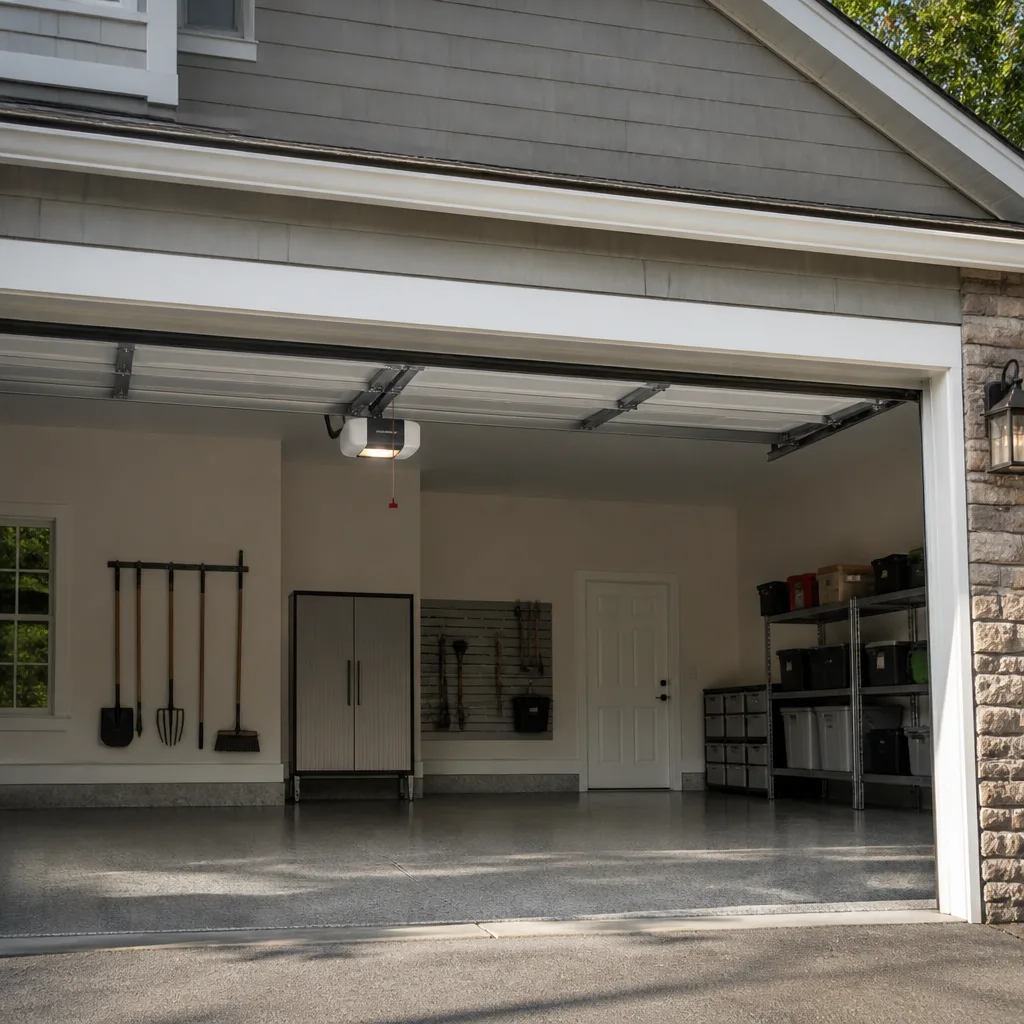 Chamberlain openers
Full 25-point door and opener safety check with every visit - springs, cables, rollers, tracks, and your LiftMaster or Chamberlain opener included
You get a price before we start. It does not change when the pro arrives.
Get your free estimateDIY vs Professional Garage Door: The Highbridge Homeowner’s Decision Guide
Replacing a bottom seal is a reasonable weekend job with a screwdriver and a soapy rag. Adjusting torsion spring tension is not. The difference between those two tasks isn’t opinion or a matter of how handy you are – it’s the physics of a steel component wound tight enough to hold a door that weighs a few hundred pounds, and what happens when that stored energy releases in the wrong direction. Highbridge homeowners ask us this question constantly, usually standing in a driveway looking at a door that half-opened and stopped. This guide sorts garage door work into three buckets: safe for an attentive DIYer, doable with real caution, and hands-off entirely. By the end you’ll know exactly which jobs belong in which bucket, what a failed attempt can cost you, and what the warranty language actually says.
Quick Answer
Most garage door maintenance – lubricating rollers, tightening brackets, replacing a bottom seal, re-pairing a remote – is genuinely safe to do yourself. Anything involving torsion springs, extension springs, cables, or the high-voltage wiring inside an opener is professional-only, because a released spring can cause serious injury and the repair requires specific tools and training. If your door has stopped opening, the springs are the most likely cause, and that call goes to a specialist.
Styles & brands we work with
- Raised-panel steel
- Carriage house
- Modern flush
- Full-view glass
- LiftMaster openers
- Chamberlain openers
Table of Contents
- Task-by-Task: What’s Safe, What’s Not, and Why
- The Torsion Spring Line: Why This One Task Is Different
- What DIY Attempts Void on Manufacturer and Opener Warranties
- Tools for Legitimate DIY vs Tools That Signal You’re Over Your Head
- Cost-Benefit: Which DIY Jobs Actually Save Money?
- How Highbridge Weather and Housing Shape the Decision
- Brand Matters: Why Your Door’s Make Changes the Answer
- When a DIY Problem Becomes an Emergency
Task-by-Task: What’s Safe, What’s Not, and Why
The garage door is a system of springs, cables, tracks, hinges, rollers, and an opener, and each part carries its own risk profile. Sorting your problem by the component is the fastest way to know whether to open the toolbox or pick up the phone. Here’s how the common jobs break down from our side of the work.
Safe DIY (no stored energy, no high voltage):
- Bottom seal replacement. The rubber or vinyl strip along the bottom edge slides or unscrews out of its retainer. It’s a step-stool job with a flathead and a utility knife.
- Roller and hinge lubrication. A few drops of garage-door lubricant on the rollers, hinges, and the opener’s chain or screw keeps the door quieter and smoother. Don’t grease the tracks themselves.
- Re-pairing remotes and keypads. Every opener brand has a pair button and a documented sequence, usually on the motor housing.
- Tightening loose bolts on the hinges and brackets. Hand-tight is enough. Don’t torch down hardware that’s meant to flex.
- Cleaning photo-eye lenses. A dirty eye is the single most common cause of a door that goes up but won’t come down.
DIY with real risk (possible, but mistakes get expensive):
- Track adjustment. A slightly bent track can often be nudged back, but over-correcting throws the door out of plumb and the door can bind or come off a roller.
- Panel replacement on a sectional door. Panels are heavy and awkward, and getting the hinge alignment off a fraction can wear rollers and cables faster.
- Opener mounting. Physically bolting a new opener to the ceiling is doable for a confident homeowner, but the force settings and travel limits have to be dialed in correctly or the door will reverse on contact or crush something it shouldn’t.
Professional-only (do not attempt):
- Torsion and extension spring replacement or adjustment. The risk here is physical, not intellectual.
- Cable replacement. Cables are under the same tension springs create and can slice through a hand.
- Opener circuit board or capacitor work. That’s line voltage inside the housing, and the diagnosis matters as much as the repair.
- Off-track doors where the door has fully left the rails. An off-track door is a falling object waiting for a reason.
If you live in a Highbridge row house or older building where the garage sits under a bedroom or next to a shared wall, treat “professional-only” as a firmer line. A door that comes down wrong in a tight urban footprint can damage more than the door. Our team handles garage door repair across all of these setups daily, and the majority of calls come from people who tried one of these jobs first.
The Torsion Spring Line: Why This One Task Is Different
The torsion spring sits on a steel shaft above the door. It holds the entire weight of the door so the opener only has to nudge it up and ease it down. That means the spring is charged with enough energy to lift several hundred pounds, and it’s wound tight every single time the door closes. When a spring is being adjusted or replaced, that energy is either held by the winding bars in your hands or it’s released. There is no middle state where the spring is “sort of safe.”
This is why we treat spring work as its own discipline rather than one item on a longer repair list. Our technicians have up to 14 years of experience and each of them has had the specific training and hands-on repetition that come from doing nothing but this. The core problems that show up on a torsion system:
- Both springs should be replaced together. If one has broken, the other has the same number of cycles on it. Mixing a new spring with a worn one wears the new one faster and leaves you calling again in six months.
- Springs are sized to your door. Weight, height, and drum size determine the correct spring, wire gauge, and wind count. A hardware-store spring labeled “fits most doors” is a guess, not a fit.
- A break is a bang, not a warning. Torsion springs usually snap without much notice, which is why a door that suddenly won’t lift is almost always a spring problem.
- Extension springs on older Highbridge doors are just as risky. Many pre-1990s doors, especially Amarr and Wayne Dalton installs, use extension springs running along the horizontal track. Those are the ones with the safety cable requirement. If your extension springs don’t have a cable running through the middle of each spring, that’s a real safety issue worth fixing now.
If the door won’t lift at all, or you heard a sharp snap and now one side feels limp, that’s a spring. Call a technician. This is not a piece of the trade where a smart homeowner with good instincts should test those instincts. Our dedicated Garage Door Repair Highbridge team handles spring calls as our single most common repair, and the tooling involved – proper winding bars, vice grips, and the training to use them – is not something you can improvise from a ladder.
What DIY Attempts Void on Manufacturer and Opener Warranties
Warranty exclusions are written to catch exactly the scenario most DIYers fall into: a repair attempt that causes a second, larger failure. The language is dry but consistent across the major brands, and it’s worth knowing what you’re agreeing to when you pick up a wrench.
The clause to search your door or opener’s paperwork for is usually worded along these lines:
- “Damage resulting from improper installation, adjustment, or modification.”
- “Defects or damage caused by unauthorized service or repair.”
- “Labor and parts not supplied or installed by an authorized dealer.”
- “Consequential damage to the door, tracks, or hardware caused by the opener.”
What this means in practice for a Highbridge homeowner:
- A failed spring replacement that twists a shaft or bends a drum often takes the door’s panel warranty with it, because the damage is traced back to the spring work.
- A miscalibrated opener – travel limits or force settings off – can cause the door to slam or reverse into an obstruction, and LiftMaster, Chamberlain, Genie, and Raynor all treat that as installer error rather than a defect.
- A panel you installed yourself that doesn’t sit flush can load the hinges unevenly. The door manufacturer will usually decline that claim because the installation wasn’t done to spec.
- A circuit board that burns out after DIY opener wiring is nearly always declined, because there’s no way for the manufacturer to distinguish “faulty board” from “insufficient voltage” or “wrong terminal.”
None of this means you can’t touch the door. It means you should read what the warranty actually says before you do. Fair warning: for most brands, routine maintenance like lubrication and cleaning is explicitly permitted and won’t affect coverage. It’s the component-level repairs that the paperwork guards.
Tools for Legitimate DIY vs Tools That Signal You’re Over Your Head
The tool list is often the clearest sign of whether a job belongs in your garage. If the job requires tools you don’t own or can’t safely buy at a hardware store, that’s not a challenge to overcome – that’s the trade telling you it has its own kit.
Tools consistent with safe DIY:
- Screwdrivers, a small adjustable wrench, and a socket set for hinges and brackets
- Garage-door lubricant (a can of proper door lubricant, not WD-40)
- A step stool and a pair of work gloves
- A utility knife for trimming a new bottom seal
- A small level for checking that a bracket is sitting square
Tools that mean the job is professional-only:
- Winding bars. These are steel bars that fit into the spring’s winding cones to hold and adjust tension. No homeowner owns them, and using a screwdriver or punch instead is exactly how the injuries happen.
- A cable puller or come-along for re-tensioning cables during spring replacement.
- A multimeter and a wiring diagram for anything to do with the opener’s circuit board or capacitor.
- A drill-driver with the right bit for a new opener install and a proper torque setting for the ceiling mounting – usually present, but the rest of the job still needs travel and force calibration.
- Vice grips and a safety catch for holding the door in a fixed position while the spring system is disassembled.
If you find yourself searching “how do I hold the shaft while I adjust the spring,” that’s the moment to stop. Our team’s tool kits exist for a reason, and there’s no shame in not owning what a specialist owns. What you don’t want is a door half-disassembled in a Highbridge driveway with a spring under tension and no way to safely release it.
Cost-Benefit: Which DIY Jobs Actually Save Money?
A garage door repair is priced per job by estimate, and the estimate is quoted and agreed before any work starts. What you’re really weighing is time, risk, and whether the DIY version has a reprisal. Here’s how we’d think about it from the driveway.
| Job | Typical Highbridge range | DIY worth it? |
|---|---|---|
| Bottom seal replacement | $60 – $140 installed | Yes, if you’re comfortable with the retainer and the door height |
| Photo-eye cleaning or realignment | $70 – $120 service call | Yes, worth 10 minutes before you call anyone |
| Remote or keypad re-pair | $50 – $100 service call | Yes, the manual has the steps |
| Hinge/roller lubrication | $90 – $150 as part of a tune-up | Yes, it’s routine maintenance |
| Single torsion spring replacement | $180 – $340 one spring | No. Reprisal risk far exceeds the labor saved |
| Torsion spring pair (matched set) | $340 – $650 pair | No. Springs are replaced together |
| Extension spring replacement | $170 – $310 per spring with safety cable | No |
| Cable replacement | $130 – $260 per cable | No |
| Off-track door reset | $180 – $400 depending on track damage | No |
| Opener repair (board, gear, capacitor) | $150 – $380 | No, diagnosis and calibration matter |
Those are typical estimates for Highbridge and the surrounding neighborhoods, and they’re not the final price – the written estimate is. What the table shows is the pattern. The DIY-safe jobs are cheap to have done anyway, so the savings are small. The DIY-risky jobs are where the real money sits, and they’re exactly the ones where a failed attempt can double or triple the bill by damaging the door, the shaft, or the opener at the same time.
The other piece is time. A bottom seal is a 20-minute job with a cup of coffee. A spring replacement on a Saturday afternoon with no winding bars, no correct spring size, and no way to test it is a whole weekend gone wrong. That trade-off is worth knowing before you start.
How Highbridge Weather and Housing Shape the Decision
Highbridge sits on high ground with real seasons: humid summers, wet springs, and cold winters that swing temperature fast. Steel garage doors expand and contract with those swings, and that expansion is what loosens brackets and works hinges loose over a season. It also shortens the useful life of the bottom seal, which dries and cracks faster in a hot summer and stays pinned against the concrete in a cold snap.
What that means for the DIY-vs-pro question in Highbridge specifically:
- Bottom seals and weatherstripping age faster here than in a milder climate, which makes seal replacement a legitimate annual or biennial DIY routine rather than a once-a-decade fix.
- Springs get a workout. A door that cycles 4-6 times a day in a household that uses the garage as the main entry takes more cycles per year than a door on a drive-to-work suburban lot. That shortens spring life and means spring replacement is a normal part of owning a door here, not an unusual event.
- Row houses and attached garages are common in Highbridge. If the door shares a wall or sits under living space, the consequences of a door coming down wrong are higher than on a detached suburban garage. That shifts the safe-DIY line a little further toward calling a professional.
- Older homes often carry original doors with extension spring systems from before safety cables were standard. Those deserve a professional look even if the door seems to work fine, because a broken extension spring with no cable running through it can fly.
None of this makes Highbridge a special case that requires a different playbook. It just means the tasks on the safe-DIY list are more frequent here, and the ones on the professional-only list carry a little more weight. Our Highbridge team knows the housing stock, and diagnosing garage door opener repair in an older home often starts with understanding what door and opener were likely installed originally.
Brand Matters: Why Your Door’s Make Changes the Answer
The brand stamped on your opener or door often tells you what failure mode to expect and whether the repair is a common one with parts on hand or something more involved. Our technicians are experienced with eight of the most widely installed brands – LiftMaster, Chamberlain, Genie, Clopay, Amarr, Wayne Dalton, Craftsman, and Raynor – and each one has its own quirks.
Openers.
- LiftMaster and Chamberlain (in many homes the same underlying platform) are the most common openers we see in Highbridge. The most frequent failure is the gear and sprocket wearing down, followed by a travel-limit setting drifting after years of use. Remote re-pairing is documented and easy for a homeowner.
- Genie openers have their own remote frequency and pairing procedure. A homeowner who follows the manual’s steps can usually sort a pairing issue in minutes. A board failure needs a meter and a diagnostic.
- Craftsman openers (many installed by Sears-era homeowners) are no longer supported the same way they once were, so a repair often depends on the technician knowing the cross-compatible parts.
- Raynor openers combine with Raynor door systems and sometimes have unusual mounting patterns. Getting the mounting and force settings right is a standard technician task, but not a simple homeowner one.
Doors.
- Clopay and Amarr sectional doors dominate the residential market, and their panels are heavy. Panel replacement is doable for a careful DIYer on a ground-level door but risky on a tall door or a tight garage footprint.
- Wayne Dalton doors have some model-specific hinge and roller arrangements that don’t respond well to generic replacement parts. If a hinge is running on the wrong roller, the door will look fine and then wear out the track.
If you’re replacing or adding a door, the conversation about brands and what actually fits your house is best had with a specialist. Our garage door installation work in Highbridge starts with a measure and a written price, not a same-day promise – installation is measured, ordered, and scheduled.
When a DIY Problem Becomes an Emergency
The line between “I’ll get to it this week” and “I need someone now” is usually crossed one of three ways: the door is stuck open and the house isn’t secure, the door has come off its track entirely, or a spring has snapped and the door is hanging. Each of those situations is a real emergency, and each one tends to happen at the worst possible time.
What to do in the moment:
- Don’t force the door. Pushing a door with a broken spring or an off-track panel makes the damage worse and can drop it.
- Disconnect the opener by pulling the manual release (usually a red cord) so the door isn’t trying to lift a locked system.
- If the door is stuck open, keep people and pets out of the path and call for service. A door that won’t close isn’t just an inconvenience; it’s a security question.
- If you suspect a spring is broken but the door still moves, stop using it. The second spring is doing double work and will fail.
This is where emergency service as a real offering matters. Our emergency garage door response exists for the 11 p.m. stuck-open door and the Sunday-morning snapped spring, not just as a marketing line. When your door won’t move, that’s the call to make. Call (833) 508-9256 and we’ll book the earliest slot that works, including early mornings or Sundays when the problem can’t wait.
Common Mistakes to Avoid
- Using a screwdriver or punch in place of winding bars. The bars are made of hardened steel and shaped to fit the cone; a screwdriver slips, and slipping is how the spring releases. Never substitute.
- Replacing only one spring when both are the same age. The second spring is on borrowed time and will fail sooner than expected. Replace the pair.
- Buying a “universal” spring at a home center. Springs are sized to your door’s weight, height, and drum. A universal spring is a wrong spring.
- Greasing the tracks to stop a squeak. Lubricant on the tracks attracts grit and the rollers slide instead of rolling. Lubricate the rollers and hinges, not the tracks.
- Forcing a door back onto a track by hand. Off-track doors need to be reset with the tension released first, and forcing one usually bends the panel or the track.
- Ignoring the safety cable on extension springs. If your Highbridge home has extension springs and there’s no cable running through the middle of each one, that’s a code and safety problem worth fixing now.
- Adjusting opener force higher to make a heavy door work. If the opener needs more force to move the door, something else is wrong – usually a spring or a track. A higher force setting hides the problem and can break the opener.
See the difference
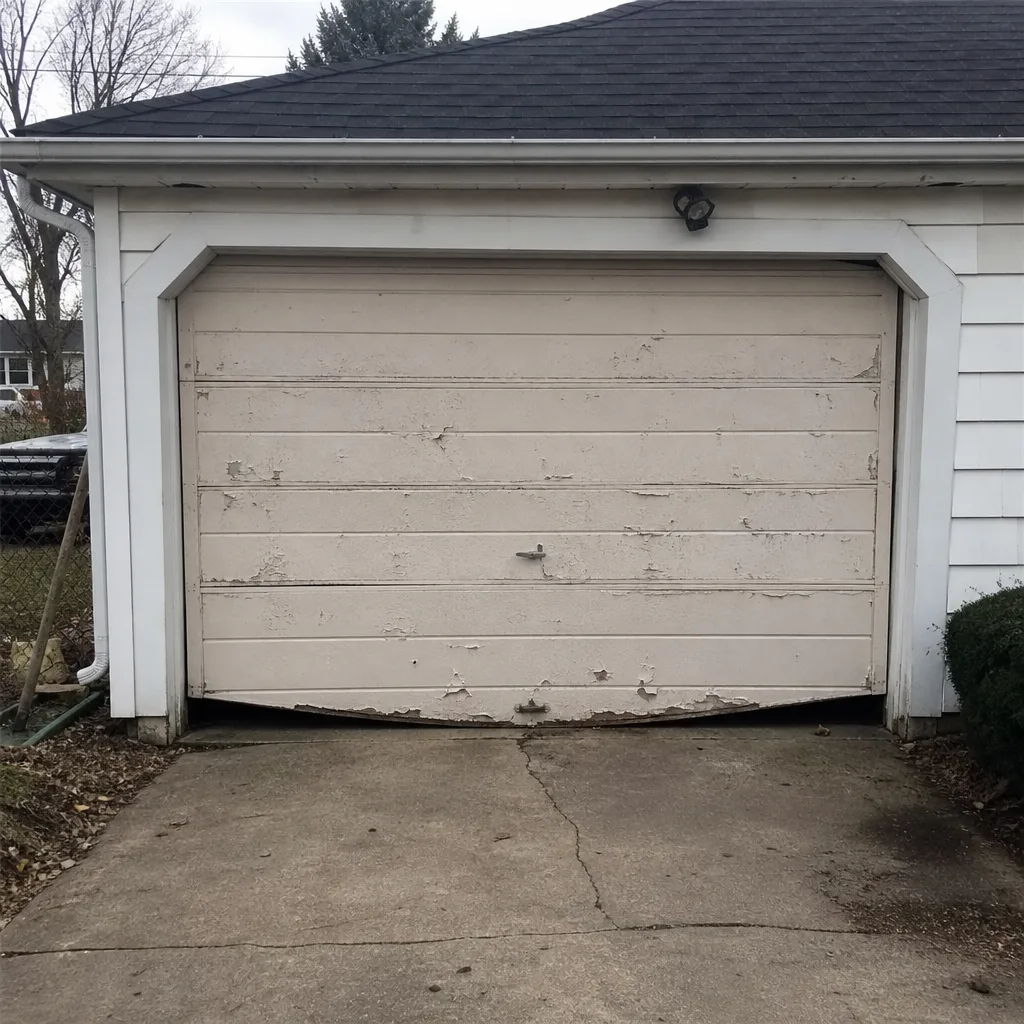 Before
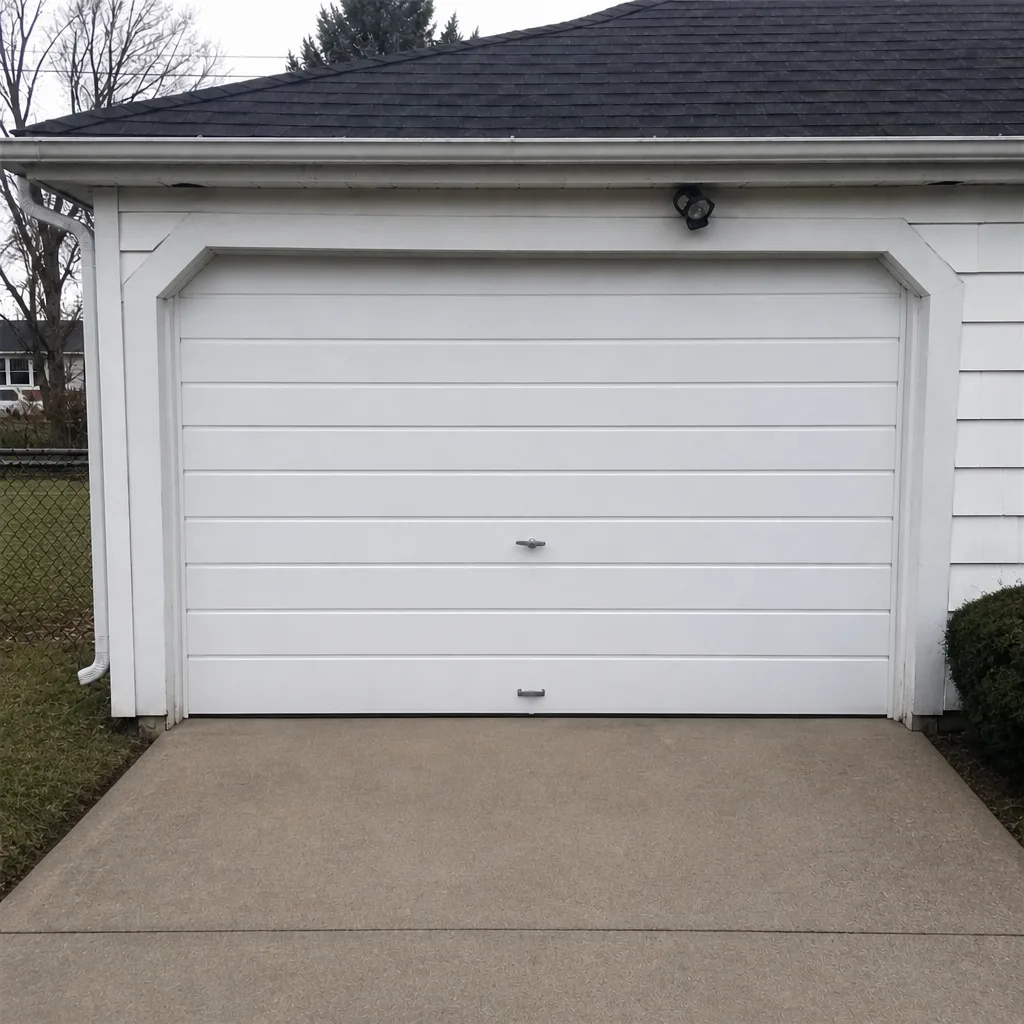 After
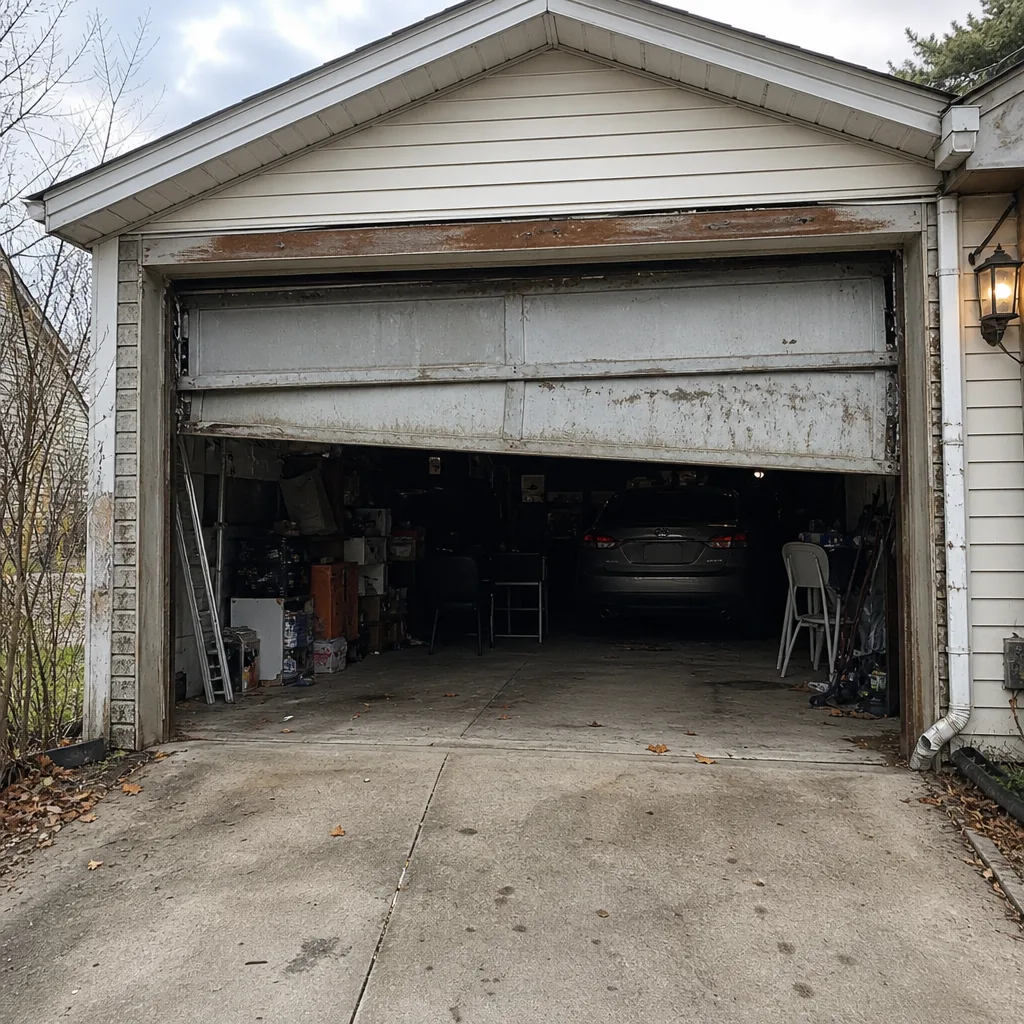 Before
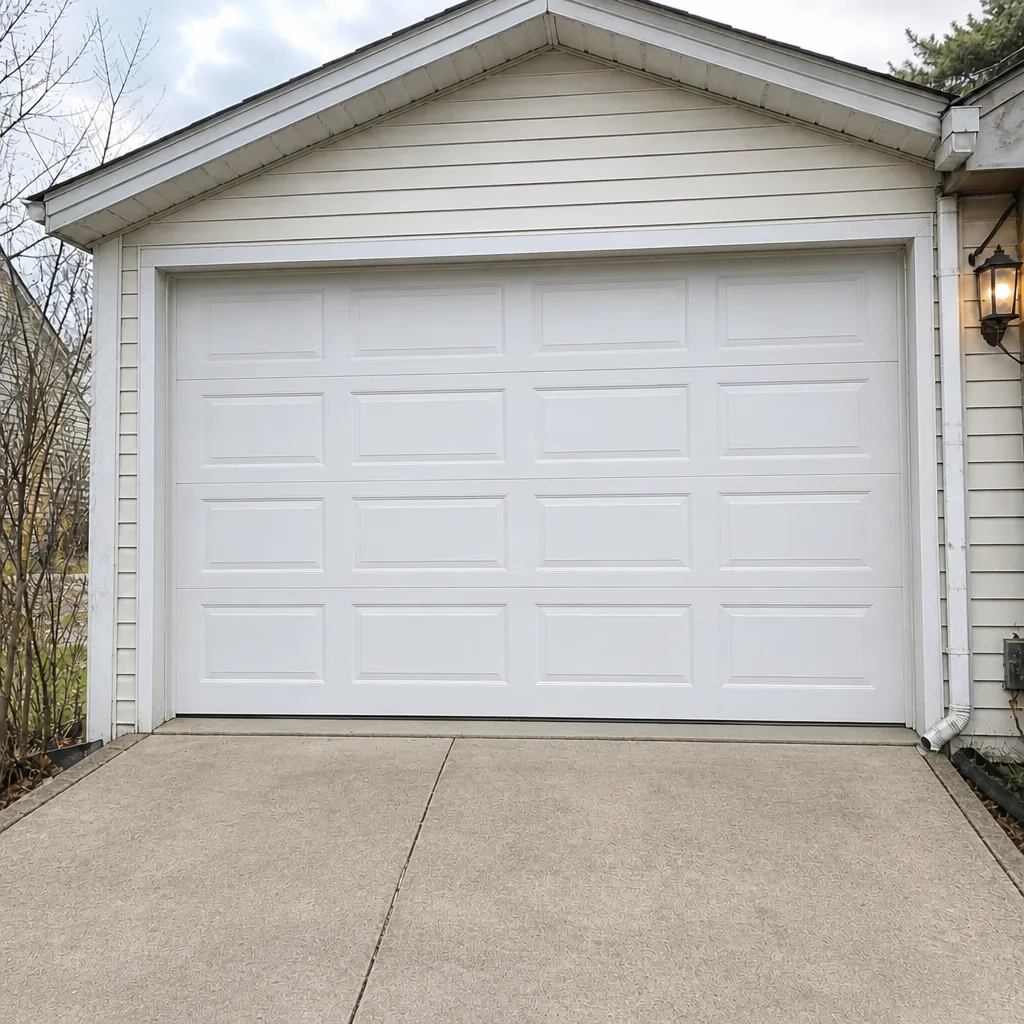 After
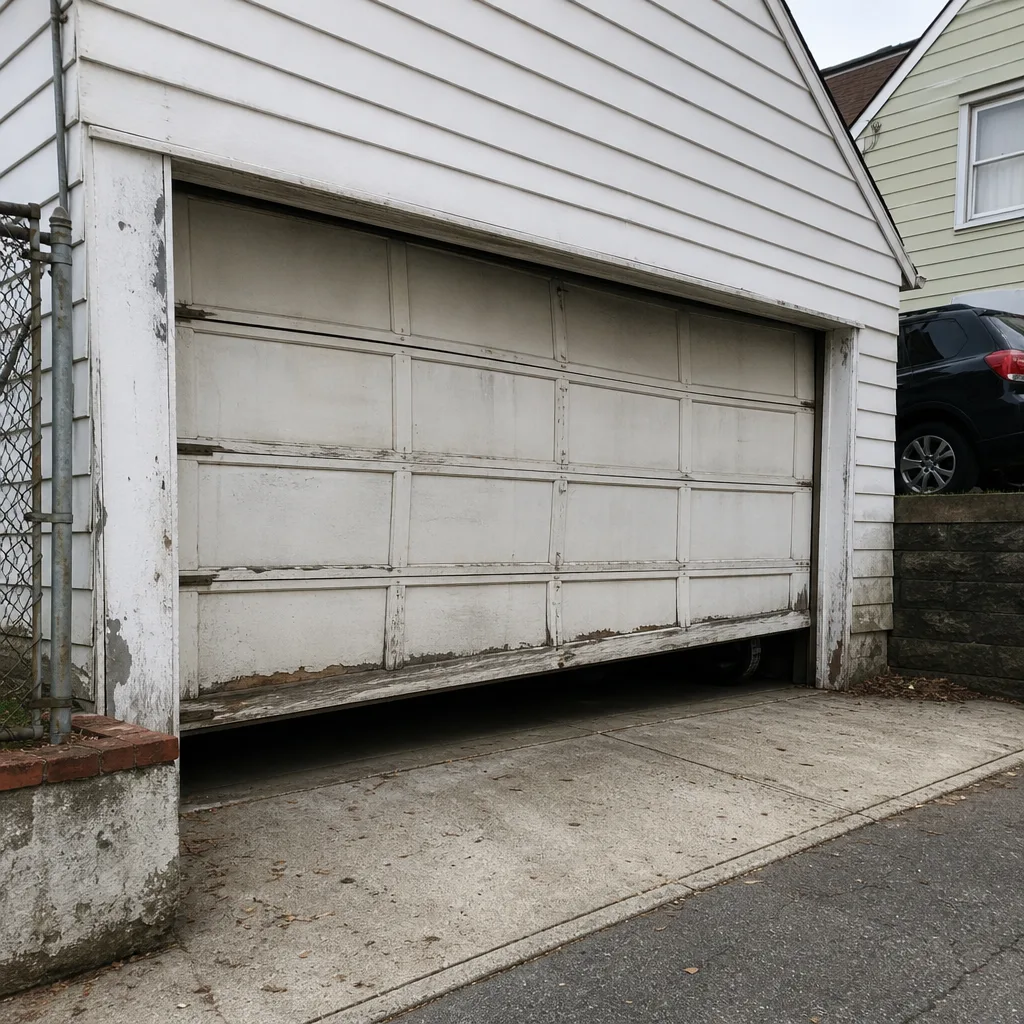 Before
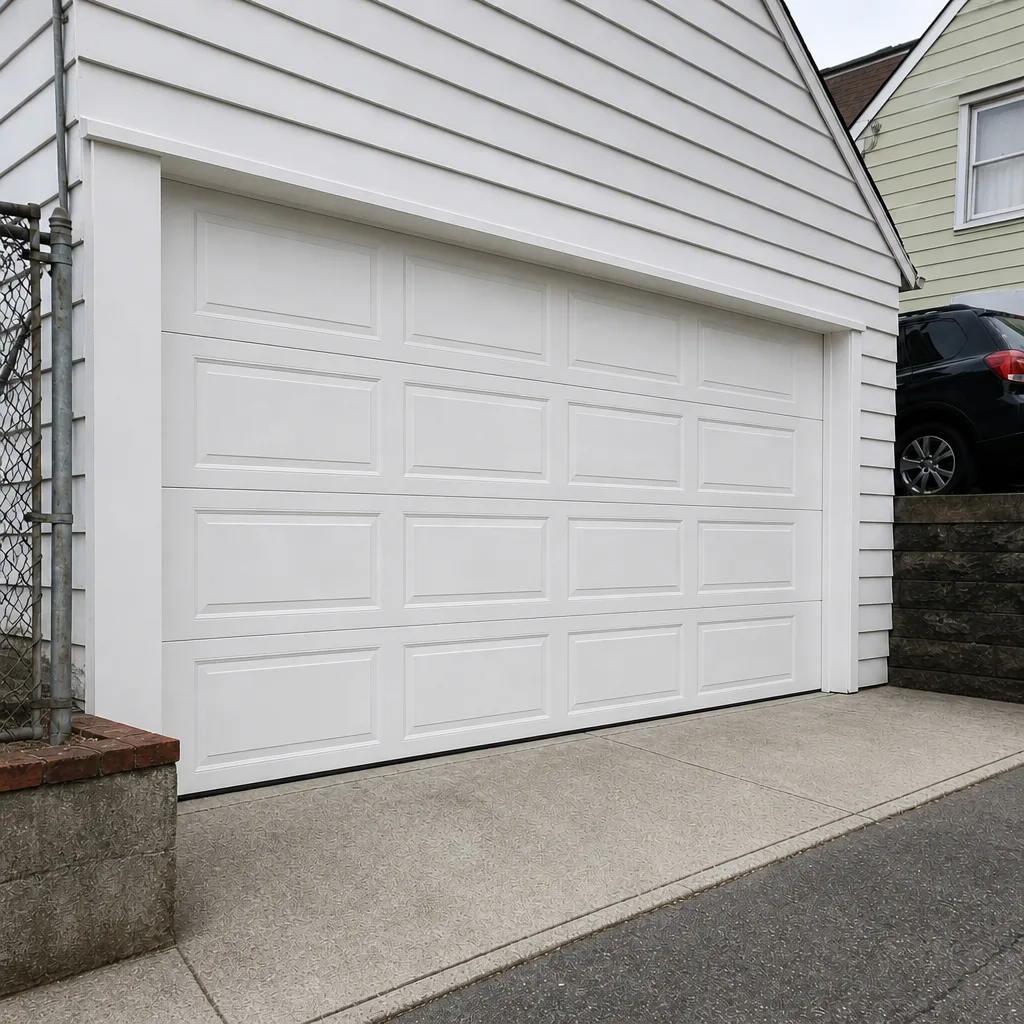 After
When to Call a Professional
Call a professional whenever the work involves spring tension, cables, or the inside of the opener housing, and whenever the door is off its track, uneven, or too heavy to lift by hand. Those five scenarios cover the vast majority of calls we get, and none of them are worth testing with a home tool kit. Call us if you’re not sure what’s wrong and you don’t want to guess – a short diagnostic is cheaper than a wrong repair. Garage Door Repair Highbridge offers free estimates in Highbridge – call (833) 508-9256 and we’ll take a look, quote it, and get it working.
Frequently Asked Questions
You shouldn’t. Torsion and extension springs hold enough energy to cause serious injury when released incorrectly, and the tools and training required aren’t things homeowners can safely improvise. Spring replacement should always be done by a technician trained on the specific system.
No – replace both springs as a matched pair. Even if only one has broken, the other has the same number of cycles on it and will usually fail soon after. A matched pair is standard practice and avoids a second service call.
It can. Most manufacturer and opener warranties exclude damage from improper installation or unauthorized repair. Look for language like “damage resulting from improper adjustment,” “unauthorized service,” or “consequential damage” in your paperwork before you start, and keep in mind that routine maintenance like lubrication doesn’t usually affect coverage.
Bottom seal replacement, roller and hinge lubrication, remote and keypad re-pairing, tightening loose bracket bolts, and cleaning the photo-eye lenses are all safe for an attentive homeowner with basic tools. Anything involving springs, cables, tracks beyond minor adjustment, or the inside of the opener is not.
A single torsion spring replacement in Highbridge typically runs $180 – $340, and a matched pair usually runs $340 – $650 because both springs are replaced together. Extension spring replacement is typically $170 – $310 per spring with the safety cable. The written estimate sets the final price, and it’s agreed before any work starts. Call (833) 508-9256 for an exact quote – estimates are free.
We can often get to a stuck or broken door the same day, and emergency garage door service is part of what we offer. Call (833) 508-9256 and we’ll tell you the soonest we can be there. For a spring or opener emergency, that’s usually faster than waiting on a generalist.
The Bottom Line
The DIY-vs-pro decision on a garage door comes down to which jobs involve stored energy and which don’t. Seals, lubrication, remote pairing, and photo-eye cleaning belong on your weekend list. Springs, cables, opener internals, and off-track doors belong with a specialist. The cost-benefit math is simple: the safe-DIY jobs are cheap to have done anyway, and the dangerous ones can multiply their own cost if you get them wrong. If you’re in Highbridge and your door has stopped working, call us at (833) 508-9256 and we’ll give you a free estimate before anything gets touched.
Contact Us
Garage doors are all we do, which means we’ve seen your problem before. Whether it’s a stubborn opener, a snapped spring, or a door that needs replacing, one call covers it. Call Garage Door Repair Highbridge at (833) 508-9256 for a free estimate – we’ll quote it, agree it with you, and get it done.
Written by the team at Garage Door Repair Highbridge.